Underwhelming is the word that comes to mind when I think of Rogue Explorer. It manages to be a masterclass in mediocrity which only devolves into frustration as its levels get longer and more difficult.
A Lifeless Setting
There is no story at all in this game. Rogue Explorer doesn’t give a Mega Man opening cutscene or even a simple text crawl to explain anything. Not that you need any explanation, because the concept is extremely simple: You play as a nameless, fully customizable adventurer, and you go into dungeons to kill stuff, nothing more, nothing less. I wouldn’t mind this if anything else was going for it, but the game doesn’t deliver anywhere. The world is fantasy at its most generic. With areas literally called “forest” and “rocky place,” you know you’re in for a forgettable ride. There are no unique locations, enemy designs, or anything really, so the roguelike metroidvania (two words I’m sure you’re sick of hearing by now) gameplay suffers, even when it barely qualifies as the latter.
Hit things and pray
The “levels” see you going through randomly generated areas and looking for the exit. Your character equips two weapons, all standard affair sword and sorcery stuff, which float next to them. What starts as a nice little idea of one active and one passive attack soon makes you realize that if they were to put weapons in the character’s hands. They wouldn’t be able to hit anything, so they took the easy way out. This mentality extends to the nonexistent-level design.
To compare, Dead Cells does this really cool thing where the level layout is always different, but the level design is the same. As you go through the prisoners’ quarters time and time again, you start getting through it quickly because you know what each route leads to, what certain landmarks mean, and you start to have a plan for the wider run. Rogue Explorer does none of this.
Every level is an uninterpretable labyrinth where you follow an arrow that leads you to the end and hope you don’t go insane by floor 3 of 8. There’s a minimap in the top right corner but no way to access a full map of any kind, making the minimap redundant. Nothing changes from the beginning to the end. No new enemies, environmental details, or anything whatsoever, but there is a day-night cycle for some reason.
There are maybe 6 enemy types in the entire game, ranging from unpredictable, teleporting wizards to spear-wielding lizards that trap you on ledges while your secondary weapon chips away at them at a snail’s pace. However, most enemies you’ll face are melee guys of all shapes and sizes that slide forward with a downward smash of their sword, club, axe, etc. They all function identically, but some do 200 damage, and others do 600. That’s another issue with the game. The enemies are ridiculously powerful. Even on the first level, enemies will kill you in around 3 or 4 hits. This number goes down as the game progresses. Here’s why.
Upgrades and other useless features
Rogue Explorer has a basic crafting and upgrading system alongside a generic skill tree for permanent upgrades. Most of this is entirely pointless. There is no sense of satisfaction in achieving anything in the game. You get tons of materials, and you’re overloaded with weapons, armor, and accessories, but you come to realize that very little of what you get is actually useful. A “merge” system adds a modifier to equipment by merging two of the same piece of equipment.
The modifiers are unbelievably boring. How about +2% attack, or better yet, +1% map discovery. I’m brimming with excitement. The problem is that you have to do this for everything, so when you get a better weapon, you have to go through the same process of merging, upgrading, and crafting more to do it all again for a marginal improvement. The permanent character upgrades are just as dull. “oh wow, 10 extra hp? Just what I wanted to add to my 700!” Or how about the addition of “minor health recovery” to the level-up upgrade pool? Nothing is even remotely as fun to unlock as the simplest upgrade in Hades, for example.
It’s not only that. Rogue Explorer also gives you two of the least useful mechanics I’ve ever seen in a video game. There’s the classic Mario stomp attack, which sounds fun on the surface until you realize that almost every enemy can attack upwards. The second mechanic is the dodge roll. You know how Symphony of the Night had the rapid, fluid back-dash over 20 years ago? Well, imagine that, but it goes on for about two seconds too long, and it’s painfully slow. That’s the dodge roll in this game. But I’m not done yet. Last but by no means least, there’s the actual level-ups.
It gets worse
Most level-ups you get throughout each run are completely worthless. Obviously, you get simple additions like attack up or movement speed up, but most upgrades are even more obsolete than the other ones. How about multi-hit attacks? That sounds useful, doesn’t it? Got you again! it does nothing. I have tested it several times, and it honestly is completely useless.
Then there are the upgrades to roll distance and the shockwave. The shockwave does around 20 damage to enemies when you land. It does no knockback, and the damage is negligible when enemies typically have hundreds if not thousands of hp. But surely something has to be decent. How about The Perfectionist perk that increases damage when your health is full? Nope. There isn’t a reliable healing method in the game. So, if you get hit, unless you’re lucky and find a potion in a treasure chest, your only hope is getting some healing from level-ups, which isn’t great anyway.
Then you have the opposite end of the spectrum. Level up perks that are so good that you might as well quit your run if you don’t get them. There’s “Increase equipped weapons,” which gives you an extra attack for both your main and sub-weapon, “Guts”, which lets you survive any attack with 1hp, and “recover health at the end of the stage,” which does just that. The later levels become impossible without these with the raw damage enemies end up doing with their massive health bars.
And it’s a pain to navigate too
Nothing works the way you want it to. I’ve already mentioned the lack of a full map, but there’s more. There’s a list of perks on the pause menu, but unlike, say, Hades, where you can see what each one does and how great the effect is, Rogue Explorer gives you a list of icons that you can barely see tucked away at the far side of the screen.
The rest of the UI doesn’t fare much better. There’s this stickiness for lack of a better term when pressing buttons. Every time you pause, select something or shift between menus, it feels like you’re trudging through tar, and it just makes the mess of mechanics that bit more irritating.
I’ve touched on movement, but even the simple act of moving around the different levels gets boring. To touch on others in its genre again, movement plays a large part in the enjoyment of exploring in a metroidvania. Having a super dash or wolf transformation gives a new, satisfying way to move around as a reward for sticking with it. Rogue Explorer once again has nothing. When you don’t have more options, the longer levels become even worse slogs than they already were.
The Wider Problem
I’m sure you’ve noticed, but I have been comparing Rogue Explorer to other games quite a lot throughout this review. I’ve chosen to do that because that’s the standard the game has to hold up to when being put on a console like the Switch. It’s very clearly a port of a mobile game, with the UI, general bite-sized structure of the game, and the sluggishness feeling designed for quick bursts on a phone.
With this in mind, the question falls to this. Why would you ever get a £7 mobile game when you can wait for a sale and pick up Dead Cells, a game that executes the roguelike metroidvania concept with so much more finesse for around the same price? If not Dead Cells, then how about the countless other fantastic Indie games on Switch? There’s just no reason to pick Rogue Explorer up. Even as a budget title, it’s hardly the cheapest game you can get on Switch for the quality of the product.
Conclusion
Rogue Explorer is as bland as it is uninspired. It’s a meandering slog through level after level after boring, aimless level. It’s unpolished, irritating, and whatever other negative adjectives come to mind. However, I did like the little dance the character sometimes does, so it gets at least one point for that.
Presentation – 40%
Gameplay – 20%
Controls – 5%
Value for money – 20%
Overall: 21%
This article was originally published on September 3, 2021
Bloodborne likes to show you that Yharnam is beyond help rather than just having NPCs tell you that. In this second and final part of my Bloodborne analysis, I’ll look at the world and influences of the grim, gloomy game, trying to find how its storytelling and style make it so memorable.
If you haven’t read part 1 of this analysis, I’d recommend you go and check it out here.
Visual storytelling in Bloodborne
Nowhere in Yharnam looks nice. The colors range from dark brown to black, the only light coming from miserable little candles and lanterns that are barely flickering. It’s a town that’s had enough of all the weird stuff. It’s learned its lesson, but the lesson’s still being forcefully and painfully taught. There are statues of people hunched forward and crying. They litter the streets of the cathedral ward and present this microcosmic tiredness to the world that compliments the characters. This is contrasted by the somewhat clinical nature of the area. This nature is reflected by the enemies, showing the overwhelming power of the church on the people. A reminder of the power of the healing church, this hook of healing blood that keeps Yharnam’s residents in this hellhole of a town.
The Forbidden Woods is filled with rotting wooden hamlets and infested with all kinds of monsters, coupled with an ever-present smog to make things that bit more gothic and bleak. These motifs of rot, fog, and darkness are present throughout Yharnam to add to the impact of the overbearingly grand architecture of the church, a constant reminder of its presence. The varying use of the key features of Yharnam shows how the church’s influence affects each area. Having the town becomes less populated the further you go is this fantastic indicator that the church is seen as a symbol of safety, even if that safety comes from the group that started the hunt.
Nightmare Realms and Cosmic Horror
As the game moves onto the nightmare realms of The Nightmare Frontier, The Nightmare of Mensis, and The Hunter’s Nightmare, these feelings of unease are amplified and twisted in conjunction with the aesthetic. The nightmare frontier, the most “standard” of the three realms, is the template for the other two. It’s filled with uneven, jagged rock formations and generally quite unnerving enemies. The frontier itself has strange tentacular things populating its poisonous caverns. The nightmare of Mensis has its little metal babies alongside its wide array of spiders. The hunter’s nightmare has a whole host of quite horrible things that almost put the others to shame.
However, the one shared enemy between the three realms is the Winter Lantern. This thing is terrifying. A slow, distorted song signals its presence. Its gaze almost instantly kills, and it’s tough. Perhaps what’s most unnerving is that without the distorted head, they look eerily like the doll. The relevance of their repeated appearance is something I’ll get to in a little bit, but the effect of the nightmare realms is to unnerve and solidify the tonal shift from gothic horror to cosmic horror. This transition is used to disorient the player and make those horror elements work. The whole concept of exploring the town and hunting beasts is turned on its head. While Yharnam’s atmosphere is far from welcoming, the nightmare realms replace its structure and clear goals with confusing layouts and a sense of aimlessness as you try to figure out what’s happening to no avail.
How Yahar’gul Blends Styles
The place where these aesthetics combine is the enigmatic area of Yahar’gul. When you first arrive after being stuffed in a sack and thrown in a cell, the atmosphere is immediately unsettling. It looks old and decrepit. Abandoned and blocked off from Yharnam. Prison bars are bent open, the streets are empty, save for dogs and the same things that took you there. Everything is designed to be unsettling. Adding to this sense of unease is the slow, foreboding background music. This track is chilling when you’re hopelessly exploring the area. Everything is stronger than you, and you have no idea where you are. It perfectly executes the horror of Bloodborne and makes you feel insignificant.
Then it Gets Weird
When you return to Yahar’gul in the late game, the tone changes completely. The emptiness is now replaced by great ones clinging to its buildings, and the blue changes to a dull crimson. Arcane rituals are being performed all over the place, masses of human bones attack you and the werewolves found throughout the game are now skinless and more aggressive. The gothic architecture morphs into that same contorted imagery of the nightmare realms. Everything changes to unsettle you after you feel you’ve finally conquered it. It brilliantly tells you that the game still has a few tricks up its sleeves in the final act.
The only especially notable location left is the Hunter’s Dream. Another place with a different tone, the dream is much lighter and populated by plants that are… well… alive. The sense of life immediately sets itself apart from the rest of Bloodborne with calm, if solemn, music and the doll’s presence alongside the somewhat quaint workshop. The design comes together with the gameplay aspects of fast travel and the upgrade workbench to make the dream feel safe, but something, at least to me, always feels off about it.
The lack of backstory you’re given, Gehrman’s absence for the majority of the game, and the ominous fog surrounding the dream prevent it from ever truly feeling homely. Everything is right, but just as Gehrman isn’t truly happy there, so too does the environment reflect this. The tinge of the macabre with the graves littering the dream and the misty horizon provide the dream with a sense of isolation that can’t be shaken off.
Bloodborne and Intertextuality
It’s difficult to discuss Bloodborne’s themes without comparing their execution to its various influences. From Mary Shelley to H.P Lovecraft and Kentaro Miura, these literary influences all come together to compliment the game’s aesthetic. The age-old question of “How far should science go?” and “How close should mankind come to godhood?” are explored in the schools of Byrgenwerth and Mensis, clearly mirroring the university of Ingolstadt in Frankenstein. They act as both the source of the problem and why it grew to the scale we find at the story’s beginning. As the scientists behind the discovery of the great ones and, by extension, their blood and the disease of beasthood abandon the people of Yharnam, the things their research unleashed fester. Much is akin to Victor Frankenstein’s abandonment of his own creature leading to the novel’s tragedy.
Another gothic influence comes with the hunters and the Vilebloods. They take influence from Van Helsing and Dracula, respectively. The unspoken history that has led to the prowess of the hunters echoes the knowledge of vampire hunting. Obviously, it doesn’t take much to see the influence in the isolated castle of Cainhurst. This vampiric origin extends to the Vilebloods themselves. Weapons like the Chikage require blood to function. In becoming a Vileblood, your character is metaphorically reborn much in the same way as a vampire’s bite… just without any interesting vampire powers.
Berserk
Hidetaka Miyazaki’s go-to influence of Berserk shows in Bloodborne primarily through the healing church. The church doctors echo the look of the fanatical Father Mozgus. The Logarius wheel is similar to the weapon of one of Berserk’s church executioners, and the motif of burning at stakes is used as a symbol of the church’s power. Thematically, the allusion to the Holy See of Berserk provides a frame of reference for the healing church. Members of the church are devout to the point of delusion.
The very presence of a member of the church exudes power. The praying statues along the path stick to either side to allow the church’s men to pass through unbothered. The church members’ size, costume, and mannerisms exaggerate that power. In Berserk, we see the church’s power force crowds of people to make a path for it in much the same manner. Ultimately, Berserk’s conviction arc lays the groundwork for Bloodborne to amplify the story told by the world.
Cosmic Horror and H.P Lovecraft
As for the third major influence, H.P Lovecraft’s works set the tone for Bloodborne. This influence comes in a way that the other influences don’t even come close to. Aside from the obvious and the visual references such as the abundance of tentacles, ancient gods, and the fishing hamlet just being Innsmouth, The game opens on this quote by Lovecraft:
“The oldest and strongest emotion of mankind is fear. And the oldest and strongest kind of fear is fear of the unknown.”
This quote is taken and used as philosophy by Bloodborne. Each new area has at least one surprise or one new enemy to understand before the boss fight. By keeping you on edge all the time, the game keeps that fear of the unknown alive. The cosmic horror influence seeps into every aspect of the world of Bloodborne, from the often-confusing levels, the difficulty, and the fear of not knowing where the next lantern is going to be. Alongside everything else, each aspect of Bloodborne’s storytelling comes together for that purpose.
As you begin to understand the game, Bloodborne does everything in its power to put you back in the dark. The change in Yahar’gul, the sudden shift in the characters you save in Oedon Chapel, and the introduction of nightmare realms change the scope of the story and renew that fear to keep you on edge. However, a massive shift from Lovecraft is that this fear can be overcome.
But before I get to my conclusions, I want to talk about Bloodborne’s shortcomings and why I always second guess its intricacy.
Some Baffling Flaws
I feel that the greatest issue with Miyazaki’s writing is that he wants to be vague about his world, but he also wants your emotional investment at the same time. No amount of sad music can make me well up in the same way that a simple character moment in Final Fantasy IX can. This problem of the attempt by Miyazaki to have his cake and eat it perhaps comes in the way his protagonists work.
They’re designed as silent, self insert characters. However, they aren’t tackled in a typical fashion for either JRPGs or Western RPGs. I find them in an uncomfortable middle ground. The best silent protagonists in JRPGs aren’t really silent. Whether it’s Persona 5′s Joker or a Dragon Quest Hero, their personality is conveyed through their actions. Joker’s suave confidence and the Hero of Dragon Quest XI‘s confused aloofness come through in their animations and Joker’s case, even certain dialogue choices.
To look at a Western RPG’s protagonist, I’ll use the example of Fallout: New Vegas. While there isn’t a defined personality for the character, the game relies on the Role Playing aspect of an RPG to bring them to life. The different ways stories and questlines can go if you decide to say something different makes up for the lack of a clearly defined personality.
What Bloodborne Does Wrong
Bloodborne does neither of those things. Your character is a hollow being. They say nothing, do nothing and leave no impact. The extent of RP is the ability to kill people for a laugh. This leaves you at a disconnect with the world. When your character is a soulless killing machine, why should you care about the world?
The character writing, while good, isn’t conveyed well. I’d be lying if I said I didn’t watch lore videos to try to understand what Miyazaki was getting at. The fact that stories like Gascoigne’s, while pivotal to the worldbuilding, are entirely missable is ridiculous. Why not have Gascoigne’s story play out in front of you? I imagine you could see him leaving his family and in the areas of central Yharnam ahead of you, hunting beasts. Make him a character you can talk to and interact with before he loses his mind. Humanize him. Make him a mentor.
The game wants you to put in the effort of being told what’s happening to conclude that all this stuff is pretty cool instead of showing you that this world is alive and conveying its themes organically. I haven’t mentioned things like the Orphan of Kos or its implications because nothing made me care enough to think of it as anything more than a cool boss fight.
That being said, looking past these issues brings me to an interesting conclusion about this odd character’s purpose.
Where your character fits in
For whatever reason, your character can kill the unspeakable horrors that most can’t even look at… in their underwear. That goes against everything the game has told you up to this point. That’s why the true ending is so interesting to me. After all is said and done, nearly every influential figure in Yharnam’s bloody history is dead. After overcoming one last great one, your character ascends to become one. That’s all you get.
A character we know only came to Yharnam to get a blood transfusion to cure an illness and leave. After everything, they become a great one for no discernible reason. Or is there? Could the aspect of the unknown provide an answer to its undoing? Upon replaying the game several times, a conclusion hit me. Looking back at everything Bloodborne does, I realized that your character is another aspect of the unknown. A foreigner living in a land they don’t know or understand. Ostracised by the locals and constantly told to leave.
A Possible Motivation
I feel that Bloodborne places you in the position of an immigrant in Lovecraft’s time. His own views against anyone who wasn’t straight, white or American are projected onto your character. Other characters, if not directly bigoted toward you, don’t care about you. You only find companionship with other outcasts: The hunched and crippled chapel dweller, Gilbert, another foreigner, Eileen, an outcast among hunters, and most importantly, The Doll, disregarded and kept as an object in a lifeless home.
Even then, the chapel dweller is blamed for the beggar’s cannibalistic murders; Gilbert loses his battle against beasthood, and Eileen’s age gets the better of her as she’s last seen bleeding out. Perhaps most cruelly of all, Winter Lanterns show you that The Doll is just another construct of the nightmare realms. With your hope being snuffed out, despite overcoming godly beings, you’re left with one question. Why not? Why not become a great one and leave it all behind? If nothing can go right in Yharnam, why fix it? The metamorphosis completes as the doll embraces you. Your character chooses blissful ignorance as a great one over the uncaring truth of a terrifying, unknowable future.
Conclusion
Bloodborne uses everything in its power to make you question it. However, it also knows you can’t get all the answers.
To be honest, I don’t think you need them. While it doesn’t execute everything brilliantly, such as individual character stories focus more on telling a struggle through item description or background characters than showing through level design, I feel its philosophy of horror is perfect. By keeping you on edge with each new area and changing aspects of the game at a moment’s notice, you become enraptured in the world and invested in seeing where it goes. Perhaps the sudden endings come off as an anti-climax because something is unnerving about this rich world coming to an end all of a sudden. Perhaps this unknown is why a sequel is so highly demanded, as we as people don’t want Bloodborne to be left as an unknown. It’s made a comfortable spot in our minds that we’re scared might be lost.
This article was originally posted on August 11, 2021
Environmental storytelling is something I believe video games can excel at more than other forms of media. While environmental storytelling is not exclusive to video games, I feel it’s a lot more common that video games use it as the primary form of writing when compared to film and literature, where location is more commonly used to compliment the story being told. The interactive, and often explorative, aspect of video games allows writers and designers to approach storytelling in a way that wouldn’t be possible anywhere else. This is also where games like Bloodborne manage to set themselves apart through their vague stories that require reading, replaying, and research to fully understand what the whole thing was about.
To be clear, the interpretation of the story I present is my own. I don’t claim to know everything about Bloodborne, and I welcome disagreements with my conclusions. As a final heads up, this article will spoil Bloodborne and its DLC in their entirety.
What The Thing Was About
Bloodborne is a weird game. On the surface, it’s a game where you go into a quirky town full of monsters, oddballs, and lunatics, kill some things and leave. As the game transitions into its second half and things become stranger still, I began asking myself what was actually happening with this game. What’s the deal with all these hunters that want to kill you? Who is Gehrman? And ultimately, what was the point of it all?
This richly detailed world is extremely oppressive in its atmosphere. It’s filled with this disturbing, overbearing, and contorted gothic architecture and religious imagery. The abandoned, ruined castle and the nightmare realms amplify the unease with this almost organic environment. The world is inhabited by these almost benign “Great Ones” for seemingly no reason. The game oozes with intrigue and questions. Yet, at the end of my first playthrough, despite the time and effort I put into beating the game, finishing the DLC, and even getting every weapon and piece of armor in the game, I still felt no emotion whatsoever when the credits rolled.
Some reading and lore videos later, I knew the general story outline with the classic cosmic horror themes of the pursuit of knowledge bringing despair and the idea that we, as a species, should limit ourselves before playing god ruins us. However, the one thing I didn’t get and, to an extent, still don’t is why the player’s character is magically the strongest guy Yharnam has ever seen. To break this down, I think it’s best to break down how Bloodborne’s environment and world work to see why the player’s character is such an anomaly.
Bloodborne’s Storytelling in its simplest terms
Hidetaka Miyazaki is infamous for his item descriptions, vague side quests, and unrelenting Berserk references. Still, by embracing all of them with complimentary world design, Bloodborne’s world begins to make more sense. Emphasis on “Begins.”
Bloodborne’s Distant Characters
From the Old Lady to Eileen the Crow, the side characters of Bloodborne all give different perspectives on the night of the hunt. This ranges from the skepticism of the Yharnam locals, who are often standoffish if not outright disgusted by the protagonist. As for the other characters, members of the church, Adella and Alfred, are controlled by their religion. They go as far as suicide and murder using their faith as justification for their actions. There are also Great One worshipping fanatics such as Micolash, Patches, and the false doctor in Iosefka’s clinic that don’t really care about you and are far more concerned with their own ascension to godhood. Alongside these is the last of the Cainhurst nobility in Arianna and Annalise, who don’t really want anything to do with what happens in Yharnam and focus with their own problems.
This leaves the most varied group: the hunters. Your first impression of your fellow hunters comes from Gehrman. He’s old, disheveled, and bored, despite his welcoming tone. This aimlessness extends to many of the “old hunters.” For example, the next hunter you meet, Father Gascoigne, is far more tragic. However, you’d only know about his tragic side if you meet his daughter. Suddenly, Gascoigne becomes more human than any other character in the game, just a father trying to protect his family, sadly losing the battle against his own bloodlust and going insane, shown physically by his grotesque transformation. The other important point about Gascoigne is that he’s the first boss, so that means things go downhill from here. Most other hunters you meet will try to kill you on sight. The other notable hunters come in the Old Hunters DLC.
The DLC
Here, most of the hunters you meet are like the others in Yharnam, insane and/or bloodthirsty, like Yamamura, who bashes his head against a wall. However, the few who aren’t are some of the most interesting characters in the game. Take Ludwig, the first boss of the DLC, whose battle works as this opposition to Gascoigne’s. Ludwig starts as this giant beast, communicating only in pained screams, but he finds his sword as the fight goes on. We see humanity return to Ludwig as the fight changes completely from this battle of survival against a monster to a fair duel with a seasoned hunter.
Once you finally beat him, he asks a final question; “Are my Church Hunters the honorable Spartans I hoped they would be?”. Keep in mind that the only non-hostile Church Hunter you meet kills himself in search of some form of martyrdom, and it’s suddenly evident that the healing church has lost its purpose, leaving you with the decision to either tell him this or let him rest in peace. This is one of the few points in Bloodborne where the player has a say in the story. Most other decisions, such as saving NPCs, are eventually undone by the story progressing. It’s impossible to save everyone, but with Ludwig, you at least have the option of a ‘better’ ending depending on what you choose for his last moments.
A Stumble at the Final Hurdle
The final hunter you meet in the DLC is Braidor, the strange hermit in a prison cell that projects himself to other locations to kill you. This cynical hunter is the only one that doesn’t fight back once you actually reach him. Instead, he mocks you for going so far for the promise of secrets. This is where some of the cracks in writing start to show. I like how the game uses him to question the player’s commitment to the game, but I don’t think it does enough to give the scene any emotional weight or make me even remotely hesitate to kill him for his shiny crystalized blood mace.
Lady Maria
This leaves Lady Maria, simultaneously the best and most underutilized character in the DLC. There’s a whole level of build-up to the confrontation between you and her. Countless faceless patients in a dilapidated research facility beg you to find her so she can help them. When you do, she’s slumped over on a chair like a corpse. As she confronts your character, she suddenly has a purpose; she wants to stop you from getting past her for some reason, and she will do anything to keep things that way.
What starts fairly average in the first phase turns to determination and eventually desperation in the battle that follows. It’s clear that she’s lived a troubled life and ultimately accepts her death swiftly and silently. She couldn’t save the patients, and she couldn’t stop you from going past that clock tower, a tragic end for a tragic character. That being said, there are three important characters I haven’t mentioned up to this point.
Eileen The Crow
Gilbert, Eileen the Crow and the doll in the hunter’s dream stand out among the rest of Bloodborne’s cast. They actually interact with your character rather than just talking at them. With Eileen, her questline sees you talking with her about her time as a hunter of hunters. At various points, you choose whether or not to help her fight against deranged hunters, even if it’s against her will.
The way you go about her questline impacts her dialogue and its result. If you help her in her role, fighting against crazed hunters, she reprimands you for interfering. But soon, she realizes that the traditional values of hunting are long gone. This comes after another instance where upon killing someone with her armor, who seemed to have a personal connection to her, she passes her title onto you and then disappears. Now free of the burden of hunting hunters, she thanks you for saving her from near-certain death. What makes Eileen especially interesting is when you find out that she’s been through The Hunter’s dream like you. She is the only other hunter in the game that definitely has been there. Perhaps seeing some of herself in your character, she reluctantly accepts you as a friend. However, she isn’t the only character who does this.
Gilbert
Gilbert does something completely different. He’s immediately friendly and even goes as far as giving you advice in the early parts of the game. What makes him more interesting is that you find out he’s a foreigner like your character. He confirms your fears about Yharnam’s locals’ distaste for non-Yharnamites, but he also acts as a friend to return to in the early game. However, each time you see him, his health deteriorates. He gets closer to becoming a beast until it’s all but certain he becomes one, leaving you alone again.
The Doll in The Dream
The third character is The Doll. Introduced as a lifeless object, something to be “used” as you see fit. As you talk to her, you realize that there is more to her than meets the eye. After the DLC, you realize she’s modeled after Maria. While she looks the same, her personality is completely different. I like how seeing Maria allows you to understand Gehrman’s lifelessness a little more.
The doll begins talking to you about gods, life, and her purpose in it all. While you can’t answer her, she still talks to your character directly in a calming tone. That’s not to say that you can’t interact with her, as in one of the few light-hearted aspects of Bloodborne, by using emotes in front of the doll, she responds in different ways. Little details like that ultimately make the doll a character you see more positively. Having a lighter tone also works because the atmosphere of the hunter’s dream and its position as a peaceful hub allows for it. It also comes as part of its visual design.
But that part will come at another time. Stay tuned as I try to get to the core of what Bloodborne is trying to say through its world and literary influence. Until then, Hunt on Yharnamites, and don’t let the old blood taint you.
This article was originally published on July 29, 2021
Cramorant wasn’t a character I was expecting to play as when Pokémon Unite came out. He immediately stands out as an oddball in a sea of classic, iconic Pokémon from the series’ history. Even when you start playing as him, you’ll realize that he takes some getting used to. With this guide, I’ll hopefully ease you into one of Pokémon Unite’s most unique characters.
Moveset
Cramorant’s move set is all about manipulating movement speed with hard and fast damage. While his basic attack is mostly useless, if you touch his water-type moves, he’ll have an Arrokuda or a Pikachu in his mouth. These drastically increase his damage output when fired at unsuspecting enemies, so don’t always rule it out. His main moves, however, are where his strengths lie. His starting attacks, Whirlpool and Feather Dance, are short AoE moves that complement each other well. Whirlpool gives constant damage in the area you place it down, and Feather Dance is a debuff that decreases an enemy’s attack power and movement speed. I’d recommend going for Whirlpool first because it gives Cramorant a bit of firepower in the early game, and the debuffs of Feather Dance won’t be as useful in a 1v1 scenario.
For the rest of the game, you’ll have his other moves; Surf, which sends out a wave to attack enemies in a line, Dive, which is an attack that moves you wherever you aim; Air Slash, a burst attack that sends Cramorant backward and last but not least Hurricane, which leaves enemies immobilized for a moment.
Water-Type moves
To start with the weakest link, I don’t like dive. While it does guarantee a stronger normal attack, I feel the damage output is a little lackluster compared to Surf. While you can store up to three uses, by the time you have three stored, you could’ve probably used surf at least twice for double the damage. Surf itself has a lot more going for it. The main benefit being that the wave you send out comes back for a second attack. That second attack gives it a lot more synergy with the other moves and, more importantly, gives Cramorant more kill potential. As a final note, when upgraded to Surf+, the move also reduces enemies’ movement speed. Dive only gets an increase in attack power.
Flying-Type Moves
As for the flying-type moves, I think both work well with surf, but I personally prefer Hurricane. Having your enemy in one spot means that the return wave is practically guaranteed to hit, and Cramorant will be left with a stronger basic attack to hopefully finish them off. When upgraded, Hurricane lets Cramorant escape with a buff to movement speed. Air Slash deals good damage, and it forces you backward if you need to get out of a sticky situation. Despite the healing it does when upgraded, I feel Hurricane edges out because you’re not as likely to get the stronger attack after Surf. You probably won’t get out of every situation with Hurricane, but it’s still more reliable to me.
Unite Move
Cramorant’s Unite move is the beautifully named Gattling Gulp Missile. This move destroys just about anything. It has a large range, crazy damage, and it lasts long enough to do major damage to bosses. The downside is that you can’t move while using it. This means that you have to use it under pressure for the best effect.
Items and Game Plan
The items I use for Cramorant are as follows:
Held items: Wise Glasses, Scope Lens, Sp. Attack Specs
Battle Item: X Attack
All of these make Cramorant into a glass cannon. It also influences how you play the early game. In standard games (and ranked), make sure to have a team member with more health in front of you as you move into lanes.
I usually go for the top lane, but you can manage if you use the bottom. With the Special Attack Specs, an early game target should score as many goals as possible. Make sure to do this before your opponents get too strong. Even if the goals are small, each one buffs your special attack stat. This all pays off with boss fights and 1v1s. It often adds the perfect amount of extra damage for a kill. On the topic of boss fights, while your team is fighting Zapdos, Cramorant can support from the tall grass and defend against the other team. If you use your Unite move and X Attack to target Zapdos and the enemy team to ensure it isn’t wasted and your team is safe. If your team loses the fight, Cramorant can also steal the Zapdos kill out of nowhere.
The Wise Glasses also help with damage output, but the Scope Lens is more important. With multi-hit attacks like Whirlpool and the Unite attack, the additional damage from critical hits makes all the difference in the long run.
Summary
Cramorant takes some getting used to, but when you finally learn how to play as him, he becomes one of the best characters in Pokémon Unite. His glass cannon nature and move set variety make him satisfying to master as long as you’ve got a teammate close by. As a final piece of advice, I’d recommend firstly playing him in quick matches to get to grips with the playstyle before moving on to ranked.
I hope this guide was useful, and I look forward to seeing more Cramorant players in Pokémon Unite going forward.
This article was originally posted on July 28, 2021
Labyrinth City: Pierre The Maze Detectiveis a game that is unlike anything I’ve played before. To put it simply, it’s a game about the titular Pierre going through a series of increasingly complex mazes, looking for people, treasure, and other collectibles. The game is full of life and fun in both its writing and incredible artwork by series creator Hiro Kamigaki.
Labyrinth City is a Charming World
The world of Labyrinth City manages to captivate by being chaotic yet understandable. By taking your time and admiring the depth in each level, Pierre’s search for the elusive Mr. X becomes relaxing despite the initial visual overload. To help prevent that overload, each level is divided into sections where you have to find a specific character in one chunk of the wider map. This concept is nicely balanced and played around with. Shifted as the game goes on but never at the cost of the casual nature of the game.
The writing is top-notch. It comes in this nonchalant form that is both fun for younger players, and yet it has a depth and undertones that I, as someone older than the target demographic, got a kick out of. There are plenty of easter eggs and references to everything from Star Wars to Dark Souls. However, what I like the most about the game are the side character stories. There’s the ninja who tries to collect the stars found throughout the levels, the minigame-giving bear that gets increasingly bored of minigames, and the living statue who gets embroiled in an uprising, to name a few. The dialogue brings the world to life in a way that just having them in the background wouldn’t.
Collectibles Here, There and Everywhere
The main draw of the gameplay was looking for the optional paths in each maze, interacting with every object I could, and looking for shiny things. There are four treasures, three stars, four notes, and a minigame trophy at each level. I enjoyed just wandering around and looking for the collectibles in each maze. The treasure you find is placed alongside minigame trophies in a lovingly named “memories” section on the main menu. Notes you find from Mr. X are placed in another menu where you get an insight into his plan. I’m not sure what you do with the other collectible; the stars. Maybe there’s a secret unlockable if you collect all of them, but for now, I don’t know. Even if the stars are pointless, they’re still fun to look for.
This brings me to another point. Some of these are very well hidden, so you’ll probably have to replay some levels to find everything. Who knows? You might find another secret along the way.
A Couple of Bumps in the Road to Labyrinth City
The isometric viewpoint of Labyrinth City is the best way for the levels to be presented, but it is sometimes irritating to navigate on a keyboard. You can use a mouse, but it isn’t ideal. A click is treated as a tap on a screen, and you need to drag it to move. I wasn’t a fan of either method, but I got used to keyboard controls pretty quickly. The only other irk I had with the game was the lack of a quicksave. It wasn’t enjoyable having to do one of the longer levels again after getting most of the way through it. A quicksave feature would help to keep progress intact. Collectibles are saved so that you won’t be doing everything again.
Conclusion
Labyrinth City is a wonderful little game. Each level brings something completely different, and the way it brings Kamigaki’s art to life is brilliant. The world is vibrant, insane, yet calculated and deliberate. The quirky writing and casual gameplay make it a fun way for anyone into either the books or the idea of a scavenger hunt to spend an afternoon. Labyrinth City does something different, and it does it brilliantly.
This article was originally published on July 4, 2021
Going into the demo for Neo: The World Ends With You, I was kind of worried that it would somehow do something that would ruin what made the original game so great. Somewhere, in the back of my mind, I was worried that The World Ends With You would somehow become Kingdom Hearts… Maybe because of its recent importance to Kingdom Hearts. While I love both franchises, what made The World Ends With You unique was its character-driven story that compliments the world of the game, something Kingdom Hearts has been miserably failing at since Kingdom Hearts II. Luckily, With this fairly short demo, a lot of my worries with Neo: The World Ends With You were put to rest.
A Breath of Familiar, Yet Fresh Air
Neo: The World Ends With You ticks a lot of boxes for fans right off the bat. The new protagonist Rindo is a nice change from the initial reclusiveness of the first game’s Neku. The demo begins with him going around Shibuya with his friend Fret as they are suddenly surrounded by all sorts of insane things. As they find out they’re part of “The Reapers’ Game”, a week-long battle of life and death. Blissfully unaware of the danger they’re in and thinking it’s all some viral marketing campaign, the two play along, thinking it’d be a fun way to spend a week. This is a fantastic tonal shift from the mystery and fear induced by the introduction of the first game is helped brilliantly by its characters.
A Kooky Cast
Rindo himself is a little spaced out and mostly leaves himself in the background. On the other hand, Fret is headstrong and optimistic, leading Rindo around while clearly respecting him. The two, despite their differences, are clearly on the same wavelength and they have this great chemistry as a result. The third party member, returning character Sho Minamimoto both disrupts and amplifies that chemistry with his knowledge and experience of the Reapers’ game putting him on a different level to the other two and often thinking to himself in the background. The way that Rindo and Fret don’t really talk to him much and just accept his help, despite him clearly having his own plans, makes this great dynamic between the three of them.
The other characters are just as fun. There’s the imposing and loud Susukichi, who is extremely eager to win the game and more than happy to crush anyone in his way. The only other player of the Reapers’ game you come across in the demo is Kanon. She’s a bit more playful and uses her wits to try and outplay Rindo’s team.
The Reapers themselves are just as casual and eccentric as always. New reapers Shoka, Kubo and Shiba all bring their own brand of condescending snobbery to Neo: The World Ends With You’s already brilliant cast, adding to the frantic nature of the Reapers’ Game. Characters aren’t the only new aspect of the game, as a lot has been shaken up in the gameplay too.
A New Perspective for a New Age
One of the aspects I was most excited to see with Neo: The World Ends With You is the way it adapts the 2D look and feel of the DS original into a 3D console environment. The transition is impressive and intuitive, to say the least. Combat is obviously the most altered aspect. The use of touchscreen controls, use of both screens, and even the microphone of the DS aren’t really possible anymore. To compensate for this, Neo: The World Ends With You uses different button inputs for the various pins you find. Each pin’s special move opens up different options. You can use the party to set up for combos, or switch the character you control to avoid damage. The demo isn’t very tough but I can see the potential depth for when the difficulty ramps up in the full game.
The other interesting change is the 3D environments. These rejuvenate a Shibuya that wouldn’t have been as interesting for returning players if the game stuck with the original’s 2D style. Another decision I applaud is the fixed camera angles. The employment of a different shot type in each area gives them each a distinct identity. For example, the 104 building, once just another shop, now has a low-angle shot to put your characters into perspective. Dogenzaka, on the other hand, uses a much longer shot to show as many of its tightly packed shops and restaurants as possible. The variation makes the game feel new, despite the original’s age.
If it Ain’t Broke…
Neo: The World Ends With You’s visual style is mostly unchanged from its predecessor. Tetsuya Nomura’s designs pop up with the same presence as before and the streets of Shibuya still have that graffiti-like abstraction that made the visual style of the original stand out. This extends to the UI and maybe the best achievement screen ever. Laid out as a blank wall, place each accolade down like a piece of graffiti. Little things like that just bring the style together and add to the identity of The World Ends With You. The music is another aspect that is practically identical to the first game. It’s very much the same style of punk/emo-rock that the original reveled in. The combination of new and returning tracks once again tells you that this is The World Ends With You, just as you remember it, and that’s not a bad thing.
Conclusion
Despite the demo only covering two of the seven (and presumably more) days of the Reapers’ game, Neo: The World Ends With You has already lived up to the astronomically high expectations I set for it.
it seems accessible to newcomers, but that accessibility might not last. Things are definitely gonna get complicated as the game goes on if the latest trailer is anything to go by. The Anime adaptation of the original game might help with catching up for PS4 players. If you do go in blind, Neo: The World Ends With You does a good job of easing you in.
The new characters are great and so far. Their sarcastic, playful back and forth is always fun and it’s a nice change of pace from the original game. If you’re not drawn in by the story and characters, there’s plenty to love in the gameplay and atmosphere. I’m now counting down the minutes until the game releases and I couldn’t be more excited.
Neo: The World Ends With You releases on July 27th
This article was originally published on June 29, 2021
The Closest Thing to a New Final Fantasy Tactics in Over a Decade
Project Triangle Strategy was the game that stood out the most to me in the recent Nintendo Direct. Not only because of its less-than-ideal name, but the trailer made it look like a spiritual successor to Final Fantasy Tactics, a series that hasn’t seen an entry since 2008.
As a huge fan of the series, I was very excited to see that the Octopath Traveler team were trying something different. With the now expected demo from the team, I wanted to see whether Project Triangle Strategy could live up to my expectations and thankfully, I wasn’t disappointed.
Living up to an RPG legend
Against all odds, I was completely gripped by the story presented in the relatively brief demo. Project Triangle Strategy sees three nations, each in the possession of the world’s most important resources living in a fragile peace. The demo puts you at a point where this peace is shattered. You play as Serenoa, the heir to a noble house (much like a certain Ramza). He finds himself in the middle of a conflict between two of the nations; one housing close friend Prince Roland, the other the home of his fiancée Frederica. After some of Roland’s family is killed and others taken hostage before his eyes by Frederica’s brother in a bid for political power, he is protected by Serenoa as they flee his crumbling nation. The setup is great, with the political turmoil and theme of class echoing Final Fantasy Tactics in the best way possible.
Amending some old flaws
The setup benefits from the characters. The cast of the Project Triangle Strategy demo is surprisingly varied. They all have different viewpoints and ideologies that come into conflict. This comes to a head in the gameplay, where you have to convince them to vote for your course of action. Getting to know the characters and informing your decisions based on your knowledge of them is something that I wanted more of in both Final Fantasy Tactics and Octopath Traveler. Each decision has unforseen consequences making you wonder what would’ve happened if you went the other way. Seeing such interesting characters (even if the villains are a little on the nose) was much welcomed. The side content comes in the form of alternate perspectives on the events from the various noble houses of the world. This provides insight into the impact of your decision as a player has on the world.
A Familiar Battle System
To someone who has played the Final Fantasy Tactics games, Project Triangle Strategy will feel familiar. Attacking from behind will still do more damage and magic has the same area of effect, but there are some changes to keep it fresh. For example, you can follow up attacks by surrounding enemies and MP has been replaced by TP. TP is like BP in Octopath Traveler and the Bravely Default series, where it accumulates each turn. Leaving it to build up opens up stronger moves, at the risk of wasting a turn. Another diversion from the Final Fantasy Tactics blueprint is the specificity of each unit. This is much closer to Fire Emblem and perhaps detracts from some of the customization that was so prevalent in the Final Fantasy Tactics series. I personally enjoy trying to find the perfect party members for each battle rather than making them myself, so I appreciated this change.
Things I Didn’t Like
While I enjoyed the Project Triangle Strategy demo, there were aspects of it that I hope the full version will improve. Firstly, the optional party members don’t fit into the story. While it’s somewhat nit-picky, the lack of a conventional world map system means that there is no reason that Serenoa would suddenly drop everything to visit a remote village and find a shaman to help him. Compare this to Final Fantasy Tactics, where towns and villages are spread along the way to your destination, so a stop or a chance meeting fits into the story. There is a hint of a sidequest system in the demo’s barebones camp system, but the map needs filling. The other problem, which is more subjective, is the voice acting. I feel the voices don’t match the script, so I played the demo without voices and the experience didn’t suffer for it.
Presentation
Simply put, the visuals and soundtrack of Project Triangle Strategy are nearly perfect. I’m a sucker for the HD-2D visuals, which this time invoke the aesthetic of Final Fantasy Tactics excellently with its multi-layered environments and grounded fantasy locales. Sadly, environmental aspects sometimes obscures the map, so you can’t get a clear view of what’s happening. The music, however is always fantastic, with each piece emphasizing the tone of a looming war or a fierce battle perfectly.
Conclusion
If you look past the almost AI generated name, Project Triangle Strategy has a lot to look forward to. If you’re a fan of Strategy RPGs or even if you want to play something different with a lot of character, atmosphere and some good old fantasy politics. It takes inspiration from Final Fantasy Tactics without feeling too derivative. The improvements to the formula coupled with a bit of polish around the edges could make this game one of the strategy RPG greats when it releases next year.
This article was originally posted on February 21, 2021
Just over a month since Devil May Cry 5Special Edition released on PS5 and Xbox Series X, its main attraction, a playable Vergil, has arrived on last-gen consoles and PC. This comes after constant requests by fans and even a PC mod that turns the boss version of Vergil playable. After the year-and-a-half wait by last-gen console owners, is Vergil worth it?
An old character
Vergil is a somewhat simpler character when compared to the other three, but that doesn’t mean that he lacks depth. He has his three trademark weapons, the Yamato, Beowulf gauntlets and Force Edge (now Mirage Edge) alongside his summoned swords as a projectile. Vergil doesn’t have devil breakers or familiars and only has one style, but he does have his own mechanic: the concentration gauge. This is a meter that fills as you fight. When it’s full, every weapon gets stronger, you can heal yourself, and you can use super moves for each weapon.
That’s just the tip of the iceberg when it comes to Vergil. Each weapon and ability has its intricacies. For example, when using Yamato, your charge attacks become stronger if you time the charge attacks well enough. This is simple at first, but it goes further, as if you time a charge attack from the charge attack, you can use up to four at a time. There is a similar level of depth to each of Vergil’s weapons You can slow enemies down, you can cancel out of attack animations to keep attacking and you can even create a doppelganger of yourself with a controllable speed that copies your moves.
Some new tricks
I never played Devil May Cry 4: Special Edition, so I never used a lot of its features, such as the concentration gauge. Going from the slower Vergil in Devil May Cry 3 to suddenly zipping across the screen and shredding enemies up was honestly much welcomed. It also meant that I had what was essentially a new character to get to grips with, so it might not feel the same for those who have played Vergil in his last appearance.
The fun of Vergil is learning how to play him well. Seeing how all the weapons, devil triggers, and the concentration gauge connect and compliment each other is so satisfying to master. Once you’re there, he breaks the game in half. Even on the Son of Sparda difficulty, most regular enemies and some bosses become cannon fodder. I still haven’t quite cracked how to beat furies though.
Extra goodies
The new DLC doesn’t only come with Vergil. You also get a new final boss fight, new music, and a new ending cutscene. The cutscene isn’t anything too major, but it is surprisingly sweet and ties up the character arc established all the way back in the first game. Vergil’s default battle theme and new track Bury the Light is the edgiest thing I’ve ever heard and it’s perfect. That said, I still need to unlock the extra music that goes with it.
I’ve saved the best part for last: the new boss fight. It works a lot like the base game’s Vergil boss fight but there’s a lot more happening at any time. It’s a perfect challenge that forces you to adapt your playstyle and learn the more complicated techniques to stand a chance.
Keep in mind the DLC doesn’t include the Special Edition’s Turbo Mode or the Legendary Dark Knight difficulty, so don’t expect them.
Conclusion
The Vergil DLC is Devil May Cry‘s philospohy condensed to perfection. The feeling of improvement over the course of a single playthrough is wonderful. Topping the experience off is a brilliant final boss fight that refines how you play the game. All of this, coupled with the dirt cheap price makes the DLC a no-brainer if you’re a fan of the original Devil May Cry 5 and you’re itching for a reason to play it again.
This article was originally posted on December 21, 2020
Many who have played Xenoblade Chronicles believe it to be one of, if not the best game on the Wii. While a technical feat for the system at the time, its graphics are now dated and its UI is excruciating; a notion further validated by the game’s 3DS port. After the success of Xenoblade Chronicles 2 in 2017 and Shulk’s appearance in Super Smash Bros Ultimate,Xenoblade found a new audience. With the series popularity at an all time high, the release of Xenoblade Chronicles: Definitive Edition in May 2020 was a logical move. But does the first game hold up after all these years, or has nostalgia blinded fans to its flaws?
The Story
The story and characters are what set Xenoblade Chronicles apart from most other JRPGs. The story revolves around the Homs who live on the Bionis; one of the enormous titans that make up their world. The narrative takes place one year after a war between the Homs and the Mechon. The Mechon are a race of machines that reside on the neighboring titan known as the Mechonis. The game’s main protagonist Shulk is a Homs, enjoying his life as a scientist in a colony which also serves as a Homs settlement. Without warning, the Mechon return and ravage Shulk’s colony. While defending it, he obtains the Monado, the only weapon capable of damaging the Mechon. With the Monado in hand, Shulk swears revenge on the race that destroyed his home.
While this is a simple setup, its execution and evolution throughout the game makes it stand out. The revenge story is the game’s focus, yet as it progresses there is an ever-increasing feeling that there is something larger behind the scenes. There is both subtle and unsubtle foreshadowing of this bigger picture. This is a storytelling technique that, along with other elements, seem to be inspired by 1995 anime hit Neon Genesis Evangelion. This method drops hints that build suspense, making the payoff so much more engaging. What makes all of this effective is Xenoblade’s iconic cast of characters.
The Characters
Each character brings something completely different to the party dynamic. Shulk isn’t a typical hero or leader. He’s awkward, often conflicted about his actions, and gets lost in thought. However, at the same time he’s caring and lovable. All of these traits are accentuated by the Monado’s ability to allow him to see the future, where Shulk’s decisions regarding the visions he gets drive the story forward.
As for the other party members, Reyn (Shulk’s childhood friend) is the polar opposite. He’s loud, less intelligent, and often acts as a vessel for the player to understand the world better. Fiora is compassionate and kind to a fault, often keeping Shulk and Reyn in check. Her brother Dunban, on the other hand, is a natural leader: stoic, heroic, but attached to his time in the Homs’ military. Sharla is a no-nonsense medic who cares for the party, but she is obsessive over her deceased fiancée. Melia is initially at odds with the rest of her group due to her upbringing, but her energetic and authoritative nature fits her right in with the other characters. Last but not least is Riki the Nopon, who serves as the series’ mascot. He mostly provides comic relief, but still has plenty of great moments throughout the story.
Each character is deeply flawed, yet so lovable. Seeing their arcs unfold alongside the ever-intricating story and solid supporting cast keeps you engaged with both. This is because they are tightly knitted together by Shulk, the titan’s conflict, and the Monado.
Gameplay
The gameplay comes in three sections: exploration, battles, and the affinity system.
Exploration
The exploration of Xenoblade Chronicles sees you traversing the huge environments of the Bionis. These range from urbanized colonies, vast forests, a boundless sea, and snowy mountains. Exploring each of these areas is important as you can find landmarks. These landmarks are checkpoints that give you experience, access to secret areas, a variety of items, side quests, and unique monsters to fight so there’s always something to keep you exploring.
The only problem with this is that some area maps are too large for their own good. This is especially apparent when compared to the frequent small number of landmarks. This makes some side quests and unique monster battles an absolute slog. There is a newly added autorun system, but it only moves you forward. This means that you might leave the game for a second and find yourself running off a cliff. This can waste a lot of time during exploration. While it may sound a little irritating, sometimes it does incentivize exploration — but that doesn’t happen as much as it should.
Battles
Battles in Xenoblade Chronicles are completely different to the standard turn-based JRPG. There are no random encounters, and enemies are all scattered around the map, giving you the option to fight or avoid them. In some cases, enemies attack first if they see or hear you. During battles, each character has a set of eight different special moves called Arts (and one Talent Art), which links to a character’s individual mechanics. The key to combat is to understand the best time to use each character’s Arts and apply that knowledge to understand the best party for any given battle.
This requires understanding each party member’s strengths, weaknesses, and roles. For example, Shulk is handy to have in the party if you’re fighting Mechon, because the Monado can damage them and allows others to as well. Reyn, on the other hand, is more useful against enemies that deal high damage. One thing the game doesn’t really tell you to do is to switch your party up. Playing as all the different characters and experimenting with all their different Arts lets you get the full experience of Xenoblade’s combat.
If you just want to experience the world and the story, you can switch the game to Casual Mode and breeze through battles. Additionally, there is a party gauge, which allows you to revive party members or save up for an extra powerful chain attack. On top of all of that, each Art for every character is upgradeable and each character has passive abilities that can be shared across the party through the affinity system.
Affinity System
Xenoblade’s affinity system is another unique way the game ties the other sections together. Through interactions in battles, conversations with NPCs, and the characters exchanging gifts the party eventually grows closer as friends. From a story perspective, this unlocks heart-to-hearts. These are extra cutscenes that come in the form of a conversation between two party members and develop them in a way that wouldn’t fit into the main cutscenes. During gameplay, having a high affinity between party members means that you can share more passive skills to make up for each character’s weaknesses, and also allows you to increase the length of chain attacks for even more damage.
Side Content
As for side content, XenobladeChronicles doesn’t disappoint. While exploring the Bionis, there are secret areas in each section, alongside a ton of collectible materials. You can use these in a ton of different ways. For example, you can use them as gifts for the affinity system, trade them with NPCs for better things, fill the “Collectopaedia” (where you get rewards for collecting every item in every area), or you could just sell them. The biggest use for the knick-knacks you collect is the Colony 6 reconstruction side quest. Here you can use the materials you get from exploration and battles to rebuild a colony that was destroyed by the Mechon. This unlocks new shops, sidequests, and material gathering points. You can also find characters in the other settlements to bring over to Colony 6 to unlock even more things to do there.
A Mixed Bag Of Sidequests
As for Xenoblade‘s sidequests, their overall quality varies. Some are cute little micro-narratives with special cutscenes and a story to engage with. Sadly, the better quests are drowned out by hundreds of fetch quests, “kill X amount of this enemy” quests or “kill this unique monster” quests. Even some of the better quests in the game fall into these categories, but the rewards outweigh the monotony. Most quests will give you experience, money, and equipment. However, some give you new skill trees, a higher upgrade limit for Arts, and even entirely new Arts.
Through all this, you increase your affinity with the settlements you visit. This unlocks better items in shops and more interesting quests, which act as payoffs for the boring quests. Other than their tedious nature, the only other problem with Xenoblade’s sidequests is that the story is so laser-focused that there’s never really a point where it feels right to take a break and relax in old areas. You have to stop yourself from continuing the story so that the side content doesn’t become an inaccessible mass of busywork. If that wasn’t enough, the game has three optional super bosses, 200 achievements, and a newly added time trial mode. Here, you fight hordes of enemies as quickly as possible for new cosmetic armor.
Making The Numbers Bigger (And Looking Good While Doing It)
Weapons and armor in Xenoblade Chronicles are both statistical and cosmetic. In the original version, optimizing stats could lead to pretty stupid results. A prime example is using heavy armor as upper body armor and a swimsuit on the lower body. As a constant reminder of your mistake, your currently equipped armor shows up in cutscenes too. In the Definitive Edition, the game now has the cosmetic armor feature from Xenoblade Chronicles X. This allows you to choose the look you want for each character without affecting their stats and making them look like this:
On the topic of stats, each piece of armor has a certain number of gem slots. They can have anywhere from zero to three slots. You get these gems by mining and refining elemental ether crystals from across the Bionis. The efficiency of crafting is determined by which two party members you choose to craft them as well as the whole party’s affinity. The gems themselves provide just about any statistical boost you could ever want, allowing you to customize or optimize each party member the way you want. Alternatively, you can avoid using gems entirely. Every battle (apart from the super bosses) is just as manageable with or without them.
What’s new?
I have mentioned Casual Mode, time trials, and the cosmetic options, but there is much more. If you wanted an extra challenge from Xenoblade’s combat, there is Expert Mode. This mode, taken from Xenoblade Chronicles 2, pools all of your experience points. You can either lower or raise your level to match the challenge level you want from the game.
The most important change to Xenoblade Chronicles in the Definitive Edition is the updated UI. Before, Xenoblade’s UI was a nightmare to look at, with an unclear compass to direct you to the next destination, uninterpretable icons for each menu, and no way to know what materials you need for Colony 6 without going there. Now there’s a minimap with a clear guiding system for both the main story and side quests, easier navigation, health bars to make healing easier, and a clear indication of what you need for future quests.
Visuals
The other obvious update to the Definitive Edition is Xenoblade’s art style, which is was what allowed many to overlook its graphical limitations on the Wii and 3DS. Now that the game is on Switch, its characters and world have never looked better. You only need to look at the change in any of the main character’s models to see the difference.
The graphical updates not only enhance the character models, but they also bring the gorgeous environments of the Bionis to life. Gaur Plains and Valak Mountain looked great on the Wii, but now they shine and feel more alive. The updates also allow the original artstyle to stand out more, with a greater sense of scale in each area and clearer changes during the game’s day-to-night cycles.
Music
The music is another of Xenoblade‘s greatest aspects. Each of the composers that worked on the soundtrack bring something unique to it without clashing with other pieces. The soundtrack has been updated so well for the Definitive Edition that the original versions of each track pale in comparison. The only track I don’t like is the one that plays when you change the future in a battle. There’s no way to turn it off, and after the two-hundredth time, it just gets irritating. Other than that small gripe, the team really outdid themselves with Definitive Edition’s soundtrack.
Voice Acting
Xenoblade’s English dub is as iconic as it is infamous for its cheesy lines like “I’m really feeling it” or “now it’s Reyn time”, but it is a ‘love it or hate it’ situation. The highlights for me are Adam Howden’s emotional yet sweet portrayal of Shulk during cutscenes, and Melia’s regal yet somber voice acting by Jenna Coleman (yes, that Jenna Coleman). On the other hand, there are voices like Reyn’s that fit the character, but just become irritating in serious scenes. One minute I love the voice acting and the next it’s unbearable. Luckily, if you can’t stand it you can change the voices to the Japanese dub or even turn voices off altogether.
Addressing A Concern
As a final point, around the game’s launch Xenoblade Chronicles: Definitive Edition received criticism over its performance in handheld mode. While I did see framerate drops once or twice alongside a lot of textures popping in, I can safely say that it didn’t ruin the game or exaggerate any issues with it.
Conclusion
Xenoblade Chronicles: Definitive Edition is a fantastic game. It has an immediately engaging story, great characters, a unique style of gameplay for the genre, and a breathtaking world. The Definitive Edition’s new content on top of the base game’s customization options allow you to enjoy the game however you want. The updated visuals and soundtrack make the experience even more unforgettable. There is a ton of side content and a New Game +, so I can wholeheartedly say you can’t do much better than XenobladeChronicles for anyone looking for a meaty JRPG to sink their time into.
I haven’t included my thoughts on the Future Connected expansion that comes with the game, but I will address it in a separate review aimed at people who already played the original and still aren’t sure about this version.
This article was originally published on October 16, 2020
After 14 years, The World Ends With You is getting a sequel. The new game, Neo: The World Ends With You is a continuation of the original story featuring a cast of characters both new and old, a new, 3D perspective and a change from two party members to four.
As for returning features, you’re still exploring Shibuya with a hoodie-clad protagonist, fighting monsters with pins and reading minds. The old manga style in cutscenes returns to make Neo: The World Ends With You look to be the sequel myself and other fans have been waiting so long for.
Neo: The World Ends With You comes out on PlayStation 4 and Nintendo Switch next Summer. You can watch the trailer below.
Anime trailer
Not long before the sequel’s announcement, the anime adaptation of the original game has just received a new trailer. The trailer is a lot more action-packed than the first one, showcasing more characters and more parts of the original story, even giving a sample of the opening theme song. The trailer ends with the announcement of an April 2021 release date.
You can watch the trailer for yourself below.
There’s a lot to look forward to for fans of The World Ends With You in the coming months, which is something I never thought I’d be saying. My inner 13-year-old is ecstatic and you should be too.
This article was originally posted on November 23, 2020
The Trails series has been going for 16 years, with 9 games under its belt (10 in Japan). Trails of Cold Steel IV acts not only as the endpoint for the Trails of Cold Steel sub-series, but as an Avengers: Endgame of sorts for the whole series, placing the characters from the Cold Steel games, Trails in the Sky games, the never localized Zero no Kiseki and its sequel into one game. After hearing good things about the series, I played this game with no context of any of the games that came before it. Here’s how that went down.
A Bit of Light Reading
Luckily, Trails of Cold steel IV has a backstory section to educate those unfamiliar with the series. After 2 hours of reading about the world, the characters and the events of the previous games, I thought I was ready, but oh boy, I wasn’t even close.
An Unexpected Beginning
Rather than starting you off with the Cold Steel characters, Trails of Cold Steel IV has a prologue section where you play as the characters from the other games. It just kind of throws you in with little explanation of what is going on, who these people are or anything going on in the battle system. The prologue’s purpose is to show you that the older characters are aware of current circumstances, so it’s not that important, but still surprising. Once players complete the prologue, the main story begins.
The Story
We rejoin class VII two weeks after the events of the last game, where the team has witnessed both death, and betrayal, and is now preparing to face a world ending threat. As a result of this, a curse has been released onto the continent, which has led to the citizens of Erebonia waging war with the neighbouring country of Calvard. As if that wasn’t enough, class VII, currently missing main character Rean, alongside Ash and Musse, is now being pursued by the Erebonian army. They’re also being chased by the (sometimes) evil Ouroboros organisation, an ancient group of evil wizards called the gnomes and supersoldiers called the Jaeger mercenaries, who’ve joined forces. The remaining members of the new class VII now have to get the gang back together, save Rean and stop the war before it gets out of hand.
While the setup is good, it becomes formulaic as the plot progresses and more characters get introduced. Act 1 sees the characters go to an area, find a magic “singularity”, fight a boss and get saved at the last minute by other characters. In act 2, the party constantly gets challenged by people who have to test their resolve and save two damsels in distress and act 3 is lengthened by the story being literally blocked off by a force field for the sake of meandering. This might be in part, due to the sheer number of characters.
Characters
To put the number of playable characters this game has into context, Final Fantasy VI has 14 party members and Chrono Cross has 45. Trails of Cold Steel IV has 39 playable characters and 7 semi-party members with an usable special ability, taking the total just over Chrono Cross at 46. While the number might be intimidating, there are a lot of guests (most of which are non-Cold Steel characters) and the only time you can actually have all of them at once is the final battle, but you still have 21 permanent party members.
This insanely large cast is both one of the game’s biggest strengths and greatest flaws. I do like how each character has at least one or two cutscenes to shine but I don’t like how they all have to say something in every cutscene. The worst point is where someone mentions a seconds long time limit and everyone decides it’s time to have a monologue. The ridiculously sized supporting cast doesn’t do the bloated cutscenes any favors. The problem isn’t that they’re all talking, but it’s that they’re saying nothing. The prime example of this is when the old class VII says “No, we’re all class VII, we’re a team” to the new class VII. This happens time and time again from the very beginning of the game right to the very end. It is cute the first time, but after that, it’s just irritating.
Okay, But are They Interesting?
As for the characters themselves, I didn’t dislike many of them, but I can’t say I actively liked too many either. Maybe it’s because I haven’t played the other games, but I didn’t find many of the characters that interesting. The worst offenders for me were Juna and Kurt. Juna is Happy-go-lucky, energetic and has a strong sense of justice. That’s it. She doesn’t have any flaws, nothing comes to challenge her optimism and nothing past the very beginning forces her energy to shine through and solve the problem. Kurt is a similar case, except Kurt is a non-character. He’s just there and his only trait is that he values his family’s sword fighting style. What’s especially irritating about him is that every other member of his family is more interesting than him.
On the other hand, Ash and Musse are far more engaging. Ash has to cope with being the target of war provoking propaganda for shooting the Erebonian emperor in the previous game. At the same time, his past as a survivor of a massacre is creeping up on him, which comes into conflict with his “too cool for school” attitude. Musse is torn between her nobility and her desire to just be normal, while she has been put in charge of the war effort against the Erebonian army. It doesn’t take much to see why I prefer these two over Kurt and Juna. Their conflict pushes the story forward as they grow, which is much more interesting than them just being there by obligation.
What About the Main Character?
As for the main character Rean, he’s okay. Standard protagonist stuff; everyone loves him, he does everything for his friends, goes super Saiyan, standard stuff. One thing to note for people who want to get back to playing as him, it took me around 40 hours to get to that point, so don’t expect him to come quickly.
Supporting Cast
There are a ton of characters that aren’t party members. These characters come from all of the games in the series and they all have their own fun little (missable) stories to follow. The villains on the other hand are odd. One minute they’re evil, the next they’re having a swimming contest with you. I’m not sure what the specifics are with each character, but for those who haven’t played the games, I thought it was worth sharing that there is a fire wizard unironically, deadpan seriously called Mcburn. Do with that what you will.
Final Words on Storytelling
I’m not sure if Trails of Cold Steel IV is a satisfying conclusion or not, but from a standalone viewpoint, I was a bit disappointed with the amount of deus ex machina that came out of nowhere for the sake of fanservice. It ended up taking away any stakes that the story had. I still have no clue what a sept-terrion is or what happened in the other Trails games. I would’ve thought that there would be a short recap in the recap section, but there’s nothing. I assume that this is even a problem for Cold Steel only players as they presumably have no idea what on Earth the Orbal shutdown event from the unlocalised Crossbell games is.
I like the game’s world, with the industrial revolution aesthetic being unique as far as JRPG locales go. There is this great contrast between the rural villages and the grand cities. The only thing I dislike about the world is the modern clothes and laptops. I know it’s nit-picky, but they feel out of place for the otherwise fantastic world-building of the time period.
The other thing I have to say about the writing of the game is that its relentless anime tropes ruin its best moments. It’s weird when every woman Rean looks at falls in love with him. This includes his students (one of whom is 14), his old classmates, his old teacher and even his sister. It’s just uncomfortable, especially when coupled with the countless hot spring scenes and the head patting… so much head patting. The bottom line is that if you can name an anime trope, it’s there, and I feel the writing is needlessly dragged down by that.
Gameplay
Trails of Cold Steel’s combat is a mishmash of other RPGs that blend together surprisingly well while adding its own touches. There is an element of positioning and a focus mechanic for magic (called arts in game, there’s apparently a difference) that is very similar to Dungeons and Dragons, with different special moves and magic having different areas of effect. There is not only HP for health and EP for magic, but there is also CP for special moves. These special moves, or Crafts as they’re called, can cancel enemy spells and attacks, inflict status ailments or even heal. Saving up your CP allows you to do a Final Fantasy style limit break, or S-craft.
Enemies have both a health bar and an armor meter. Breaking an enemy’s armor lets you deal more critical hits, which build your BP. BP is another meter that you can use for orders, a system that gives a stat boost such as reducing damage or buffs like damage reflection. You can upgrade arts through trial chests, which are special treasure chests that gives you a set party for a unique boss fight. You can also use BP for assist attacks and a persona style rush attack, where the whole party attacks the enemies for extra shield damage.
Rather than summoning a monster like a typical JRPG, in Trails of Cold Steel IV, you summon giant robots to deal big chunks of damage, which fits the aesthetic better. The last important thing to mention is the lost art system. There are five optional bosses in various locations throughout the game. These give you a lost art, which is a bit closer to traditional summoning as they provide ridiculously powerful magic with a massive animation.
Does It Work?
All of this made next to no sense to me when I started and I had no idea what a lot of it meant. The UI was just a bunch of things and big numbers that were hard to wrap my head around. I did figure it out over time, but it was overwhelming at the start.
After the initial hurdle of understanding combat, boss battles allowed it to shine. You will have to adapt to each battle with the parties and abilities you’re given. The only boss fights I didn’t enjoy were the solo bosses toward the end of the game (the final boss was pleasantly challenging though). They are just damage sponges where you find a strategy and win the battle 20 minutes before it’s over. Luckily, there’s a fast-forward button so you can get through them quickly.
Bigger and… Worse?
There are also giant robot battles, where the characters get into their mass produced Panzer Soldats or magical Divine Knights. For the most part, these are easy trial and error affairs where you have to find a weak point and exploit it to deal more damage, but toward the end, there’s a huge difficulty spike. You go through most of the game practically just mashing the X button in the right place until you can do a bigger attack, but the battles at the end see you carefully choosing support characters, timing every heal and perfectly managing your limited item supply with no warning. I preferred the more tactical later battles, but I didn’t like the over reliance on items.
The Trouble With Money
Equipment in this game is a nightmare. With 21 permanent party members, 16 of them need new weapons and they all constantly need new armor and accessories. The problem is that you never have enough money to purchase new gear. Your main source of income comes from selling magic crystals dropped by enemies and old equipment. Side quests will give you 5,000 to 10,000 mira (the game’s currency), which will get you one weapon. You still need 15 more weapons and armor to go along with it. Granted, I didn’t really feel the need for armor a whole lot (I played the game on hard mode) and party members are given to you in waves, but once they’re all there, you don’t really have the money to buy everything else.
Materi-uuuuuhhh?
The other main thing you need to equip and manage is the quartz system. Imagine Materia from Final Fantasy VII with a lot more steps. Rather than just having magic and some stats tied to quartz with limited slots, you have to equip a master quartz, which gives you a main spell loadout and a ton of passive bonuses. This is coupled with a sub-master quartz, and a limited number of slots for regular quartz which are much simpler.
These slots are element-based, which limits which quartz you can give to each character. The characters are pre-optimised for their roles, so I didn’t really want to play around with the system too much just in case it ruined how they played. What I did do was upgrade the slots to equip better versions of the quartz they already had. You can also craft and upgrade quartz with materials you get from battles, treasure chests and destructible objects. Upgrade materials are also used for weapons and to make items for the robot fights, so once again, you don’t tend to have enough unless you’re willing to grind for it.
Side content
Trails of Cold Steel IV’s side quests are honestly my favorite part of the whole game. They’re more character focused and just more fun and self-aware in general. The quests also give guest characters form the other Trails games their time to shine. If you’re looking forward to playing as Lloyd or Estelle in this game, you get five opportunities to do that for each of them.
The other major bit of side content, aside from the lost arts and trial chests are bonding events. This is another aspect of the game that’s similar to the Persona series, where you have a limited number of interactions with party members that develop them. There are also “special moments” with the female characters which often end in them confessing their love for Rean. This is where the aforementioned weirdness tends to come from, because what would be a fine little moment for each character becomes an awkward exchange where Rean just says “uuuuhh, I’ll think about it” and things go back to how they were. You don’t have to see the special moments, but you’re missing out in some interesting character interactions if you don’t. At least in Persona, you choose to make things weird.
Minigames and Other Fun Stuff
The game has a ton of minigames and other things to do. You can fish, cook, play Poker and Blackjack, give characters gifts, buy and find cosmetic items for almost every character and so much more. There’s even a trading card game that is one of the best parts of the whole package. I almost forgot Pom Pom Party, which I can only describe as “The poor man’s Puyo Puyo”, but it’s still a surprisingly fun time waster. Perhaps the most interesting thing is just talking to the NPCs and seeing how each town changes as the story progresses and the war gets closer.
For those into the world and its lore, you can read a huge variety of books and newspapers that put Skyrim’s to shame with the amount they pack in there. The only problem with the side content is that it’s extremely hard to find. There’s no indication on the fast travel map other than a “new” label to tell you what to find. You never know what to look for, which could lead to you missing things like recipes or card game opponents. Apart from that (and the boss fights), the side content was my favorite part of the whole game.
Presentation
While Trails of Cold Steel IV isn’t exactly the best-looking game ever, one look at the horses will tell you that, there are some interesting locations in Erebonia. There are lots of varied towns and cities, but my favorite has to be Crossbell. It’s a huge area in the game with such diversity in each section’s atmosphere. It was a joy to explore and see all of the different sides of the city. While the areas between towns and some of the dungeons are somewhat monotonous, the towns and cities themselves more than make up for it.
Music and Voice Acting
The music in Trails of Cold Steel IV varies in quality. Some of it is somewhat generic, but other parts, such as the town themes capture this classic JRPG energy that I really like. The battle music’s fine, but the boss themes are my favorite part of the soundtrack. They’re all great and capture the mood of each fight well.
I didn’t like the game’s English dub. The voices either didn’t fit the characters or they just irritated me. Despite some great voice talent with the likes of Johnny Yong Bosch, Joe Zieja and Cassandra Lee Morris, it just didn’t work for me. The Japanese dub is better, but only because it felt right. It wasn’t particularly astounding, but it worked.
Conclusion
After committing the ultimate sin of playing this game with no context, I’m not sure how I feel about it. For everything I enjoyed, there was something that I hated. Trails of Cold Steel IV manages to stretch itself to an extremely long 110 hours. With it’s long dungeons, lengthy cutscenes, and a true ending that’s only unlockable by beating the final boss twice, the game just has too much padding. On the other hand, the battles, some story moments, the world and the optional content make you want to keep going.
Fans have probably put too much time into the other games not to see the conclusion and I wouldn’t recommend it for newcomers. However, if the positives of this review sound interesting to you, maybe play the older games first so you can fully appreciate the conclusion.
The Legend of Heroes: Trails of Cold Steel IV is available now on PS4.
Review copy provided by NIS America.
This article was originally published on November 9, 2020
Once again, Nintendo has revealed a new game for the Switch out of the blue. This time, it comes in the form of a localisation of the first Fire Emblem game to celebrate the series’ 30th anniversary.
Fire Emblem: Shadow Dragon and the Blade of Light originally launched on the NES in Japan. Similar to the last two Fire Emblem titles, the re-release will let you rewind to a previous turn. On top of this, you can create save states and increase the game’s speed.
Also announced was a special physical edition of the game. This comes with a replica box, manual, and cartridge, alongside a special Fire Emblem art book and a Nintendo Power themed poster.
One last thing to know is that the game isn’t coming to the NES online app. Instead, it will be available on the Nintendo eShop as its own listing.
Fire Emblem: Shadow Dragon and the Blade of Light releases December 4. Unfortunately, the game will only be available until March 31.
This article was originally published on October 22, 2020
It makes the wait for Breath of the Wild 2 a bit easier
In yet another of many surprise announcements from Nintendo this year, The Legend of Zelda: Breath of the Wild is getting a prequel in the form of a new Hyrule Warriors game.
Age of Calamity takes place 100 years before the events of the main game during the battle between the champions and Calamity Ganon. You play as Link, Zelda, and the four Champions: Mipha, Daruk, Revali and Urbosa. Regardless of who you play as, you fight through hundreds of familiar enemies from the main game in typical Dynasty Warriors fashion. The promotional image for the game features a new Guardian design, but its role hasn’t been announced yet.
To make things even more exciting, Hyrule Warriors: Age of Calamity releases November 20. Digital preorders come with the “Lucky Ladle” weapon. The next news update for the game is coming on September 26.
You can see the announcement trailer in the video below.
This article was originally posted on September 8, 2020
As has now become customary for Nintendo since the pandemic started, the company dropped a new Nintendo Direct presentation without any advance warning. The Direct centered around Mario’s 35th anniversary and contained a heap-load of announcements.
Let’s take a look at all the announcements made during the Nintendo Direct.
Game and Watch: Super Mario Bros.
First up was a Super Mario Bros.-themed Game and Watch handheld. In addition to the original Mario title, the handheld also includes Super Mario Bros.: The Lost Levels and a Mario-stylized version of classic Game and Watch title Ball. There’s even a watch function with 35 different Easter eggs to look out for.
The limited edition Game and Watch handheld will be available November 13.
Super Mario 3D World and Bowser’s Fury
Next up was a long-rumored remaster headed to the Nintendo Switch: Super Mario 3D World. Although it’s a port of the original Wii U title, the game includes several key enhancements, such as enhanced visuals and a higher frame rate.
In addition, the game will spawn two new Amiibo figures in the form of Cat Mario and Cat Peach. Finally, you’ll be able to play online with up to three other people.
Super Mario 3D World for the Nintendo Switch will launch February 12, 2021.
Super Mario Bros. 35
Next up was a surprise announcement: Super Mario Bros. 35. As the name implies, the game sees 35 players trying to get to the end of a Super Mario Bros. level or survive until there aren’t any other players left.
To spice things up, any enemies you beat on your screen are sent to other players and vice-versa. As such, things won’t be as simple as running through a level.
Super Mario Bros. 35 will be available for free starting October 1 for Nintendo Switch Online subscribers. However, the game will only be available to play until March 31, 2021.
Mario Kart Live: Home Circuit
The next announcement was for a new Mario Kart title, but this one comes with a twist: you make the courses. With Mario Kart Live: Home Circuit, you use a remote-controlled Mario figure with an AR camera to race around your custom track.
Given the nature of the game, local multiplayer will require more than one figure. That said, it’ll make visiting your friend’s house that much cooler.
Mario Kart Live: Home Circuit will be available October 16.
Events in other games and promotions
Nintendo then rattled off a slew of smaller announcements, all centered around Mario’s 35th anniversary. They include:
Exclusive pins and keychains for My Nintendo members
Original 16-bit versions of Mario and Donkey Kong Jr. in Mario Kart Tour
New merchandise range exclusive to Nintendo’s New York City store
A special course in Super Mario Maker 2
A Mario-themed tournament for Super Smash Bros. Ultimate
A Mario-themed Splatfest for Splatoon 2
Official Splatfest t-shirts
Mario-themed furniture for Animal Crossing: New Horizons
Super Mario All Stars
Nintendo wasn’t done with Nintendo Switch Online, as it added another title to its virtual SNES library: Super Mario All-Stars.
For those not familiar, the compilation includes remasters of four Mario NES titles: Super Mario Bros., Super Mario Bros. 2, Super Mario Bros. 3, and Super Mario: The Lost Levels. All four feature enhanced visuals, with the latter title offering Western audiences the chance to play the original Super Mario Bros. 2 outside of Japan for the first time.
Super Mario All-Stars is available now.
Super Mario 3D All-Stars
We’ve now arrived at the biggest announcement of the presentation: Super Mario 3D All-Stars. The game collects Super Mario 64, Super Mario Sunshine, and Super Mario Galaxy for the Nintendo Switch.
All three titles sport enhanced visuals, with the latter two getting widescreen support. The collection also includes the music library for each of the three included titles, along with motion controls for Super Mario Galaxy.
Super Mario 3D All-Stars will be available from September 18 through March 31.
Watch the Direct Here
The Direct presentation lasted a little over 16 minutes, and it was generally a good one. If you want to see for yourself, you can watch the presentation below.
This article was originally posted on September 6, 2020
Nintendo has just released their latest Indie World Showcase, which revealed new indie games coming to the Switch in the near future. There is a boatload of them, so let’s go over what was announced.
Hades
The showcase started strong with the announcement of Supergiant’s latest game, Hades, being ported with a Fall 2020 release window. Hades is a Greek mythology-inspired roguelike dungeon crawler, with an emphasis placed on story, characters and combat.
Hypnospace Outlaw
Initially released in 2019 for PC, Mac, and Linux, Hypnospace Outlaw will launch August 27 on the Switch.
As strange as the visuals are, the game’s premise is mostly grounded in reality. You play as a moderator for Hypnospace, an alternate-history version of the internet. As a moderator, it’s up to you to watch for illegal content, copyrighted material, viruses, cyberbullies, and internet trolls.
Spiritfarer
Spiritfarer, which releases today is a management game where you play as a little girl and you have to comfort spirits before sending them to the afterlife. You do this through a variety of activities such as cooking, resource gathering or just hanging out with them.
Garden Story
After Spiritfarer came Garden Story, a classic Zelda inspired adventure game with an emphasis on exploration, crafting and town management with social sim elements. Garden story releases next year on both Switch and PC and there’s a demo on PC that you can play right now.
Subnautica
The next big announcement in the Indie World showcase was the port of Subnautica and its Below Zero expansion. Subnautica is a game where you explore an alien planet’s ocean and you have to gather materials, fix your spaceship and survive the seas terrifying monsters.
Subnautica has an early 2021 release window for the Switch port, but it is out now on PS4, Xbox One and PC.
Takeshi and Hiroshi
Following this was the announcement of Takeshi & Hiroshi, a gorgeously animated game about an older brother making a game for his younger brother to play. The game sees you tweaking and balancing the difficulty of the game so that it isn’t too easy or difficult for the younger brother to enjoy. Takeshi & Hiroshi is also out today.
Raji: An Ancient Epic
Then came the announcement of Raji: an Ancient Epic, another game out today, which is a hack and slash game similar to Prince of Persia and classic God of War inspired by Hindu and Balinese Mythology.
Bear and Breakfast
The next game shown was Bear & Breakfast, a hotel simulation game where you play as a bear who converts a shack into a homely bed and breakfast. As you explore the forest to expand the hotel, things seem to get a bit more surreal.
Bear & Breakfast comes out next year on Switch and PC.
A Short Hike
After this came A Short Hike, another cute game about a little bird exploring a serene countryside which, you guessed it, is out today. The countryside area of the game has plenty of secrets to discover and plenty of ways to explore.
Card Shark
Another interesting announcement was Card Shark, a game about cheating at cards to gain fame in 1800s France. Card Shark is being developed by the same team that made Reigns and it comes out on Switch and PC next year.
Torchlight III
If you’re into dungeon crawlers, Torchlight III should be right up your alley. The game has 4 classes to choose from, sees the returmn of pets to the series and includes a fort for you to build and manage in between all of the looting. Torchlight III comes out this Fall with an exclusive pet for switch owners.
Manifold Garden
For puzzle game fans, there’s Manifold Garden, a mind bending game where you have to solve puzzles by manipulating gravity in a complex inspired by optical illusions. The game is out today on Switch, but it is also available on PS4, PC, Mac and Linux.
Evergate
Continuing with the puzzle theme, the puzzle platformer Evergate was announced next. Evergate is about a little spirit called Ki’s journey through the afterlife that hasa very similar feel to the Ori games. Evergate is also out today
Untitled Goose Game Co-op
The final announcement was the showcase of a two player co-op update for Untitled Goose Game, which comes out on the 23rd of September. There was also a reminder at the end that the physical edition of the game is coming soon.
Watch the showcase here
That’s all that was announced. There was a lot to digest, so if you want to watch the Indie World showcase yourself, you can here
This article was originally posted on August 19, 2020
void tRrLM(); //Void Terrarium is the latest game from Nippon Ichi Software, and it’s certainly a unique one. The game is a mystery dungeon at heart, but it introduces various other aspects to keep the game fresh.
The Story
The story is quite simple, but I feel that’s where its strengths lie. The game starts as the player character, a cute little robot named Robbie, wakes up in a desolate world. After wandering around, he finds both a very emotional Artificial Intelligence, and a living human girl. The AI, simply called FactoryAI, then helps Robbie to take care of the girl, who they name Toriko in the hopes of continuing the human race.
The story does have its twists as the game progresses, but I feel the ending lacked its intended impact due to how abrupt it is. Perhaps that’s because I feel the story’s strengths lie in the interactions between its seemingly incongruous characters.
Void Terrarium’s characters bring out the game’s charm, with FactoryAI communicating with Robbie through text, Toriko acting as a visually expressive character, and Robbie’s use of simple emoticons and animations to display his mood. This all allows the game to express its individuality well. The robotic nature of Robbie and FactoryAI perfectly contrasts with the simplicity of Toriko, which leads to the game’s best scenes.
Gameplay
Void Terrarium stands out among other mystery dungeon games by implementing various elements from the roguelike, survival and even pet simulation genres. The way this works is as follows:
Roguelike
Rather than having permanent level-ups and skills, like in a more traditional mystery dungeon, Void Terrarium resets your level to Level 1 every time you enter a dungeon. As standard, dungeon layouts are randomly generated, but the element of luck comes once again every time you level-up, as you are given two different skills to choose between. These can be as simple as an additional stat boost, or as intricate as automatic damage on enemies in front of you.
Of course, this can lead to completely broken results. For example, I once had a run where I had abilities that negated 95% of damage, I had a 100% critical hit rate, up to 80% damage bonus and additional attack range among a whole host of other abilities. While the different abilities are fun, a good number of them are extremely situational and I often struggled to find a use for them.
Survival
This is where the survival and simulation aspects of the game help. After dying or completing a dungeon, all of your items are converted into resources from four categories: organic, inorganic, electrical and contaminated. As these resources accumulate you can use them, alongside materials you find in dungeons, to craft various items. These items include furniture for the simulation aspect, inventory size increases, and a number of equipment items that tailor to your playstyle. This equipment includes active skills; abilities related to the skill draw, such as adding an extra skill or giving a chance to select two skills in one draw.
Simulation
The third major aspect of Void Terrarium is the simulation section that comes in the form of Toriko. As you explore dungeons, she gets hungry and the titular terrarium gets dirty. To remedy this, you can find food items in each dungeon to use after you leave. You can clean the terrarium and keep Toriko happy through the Pet Nanny, a Tamagotchi stylised section in the corner of the screen. This also monitors Toriko’s health and contamination levels so you can choose the best time to leave the dungeon.
The contamination level is controlled by the type of food you give her, as most of it is contaminated. The contamination level is less of a worry than Toriko’s health, and more of an indicator of how likely it is that she will get an illness.
The illness system is one of the most interesting parts of Void Terrarium, as every so often Toriko will fall ill due to various circumstances. For example, she can contract the illness that killed off humanity, she can break her leg, or even have rare genetic diseases. Each illness adds new cutscenes and conversations, which is a nice touch, but there is a downside. The process of curing each illness is exactly the same; you go through the exact same three-floor dungeon filled with only the weakest enemies. You find materials on the last floor and then make the thing you need to cure her. There isn’t a new dungeon design or unique music, just the same three floors over and over again.
Role Play Game
Once you’ve crafted all of the different blueprints you find in dungeons, you can place them in the terrarium, which does absolutely nothing, but it’s very cute. The crafting does have an effect though as, regardless of the item, the first time you craft something you will get a permanent upgrade.
These include stat boosts, an increase to Toriko’s health, and even the ability to remove skills from skill draws. Something more interesting is the “knack” system. This is a class system that changes the probability of skills appearing in draws to suit how you play the game.
Where this all comes together is in the dungeons themselves. There are eight different dungeons you unlock throughout the game, each one with a different theme and new enemies. Expect genre staples like monster houses, a copious number of traps and a lot of running around looking for stairs. Despite this, Void Terrarium manages to innovate in the way it handles items and inventory management.
Items and a Problem
Each item has three different effects depending on its stage of contamination. Uncontaminated items have a standard effect, lightly infected items will either lessen or amplify the item’s effect, and highly contaminated items tend to have a high risk, high reward system. This can lead to other effects, so it’s a good idea to try and remember what effect contamination has on certain items.
Inventory management is also important, as I often found myself having to save space for blueprints, weapons, armour, and crafting materials — while at the same time I picked up as many things as possible to get resources and have a stockpile of healing items.
As you don’t keep items, the game wouldn’t really work with a traditional hunger system. To replace it, there is the “charge” system. This is functionally the same, but the abundance of items means you probably won’t run out very often. The way the game makes energy valuable is by making it the currency for active skills and interactions with Toriko. With energy being so accessible, Toriko’s health limits your exploration. When she dies, it’s game over.
My only gripe with the dungeons in Void Terrarium is that there are too many traps, especially with the enemies that make more. The problem with the traps isn’t that they’re unfair, but it’s more that many of the status ailments last way too long, especially when there are multiple in the same room. I can see how the traps would be an interesting challenge in a room with enemies, but when all the enemies are gone, it just becomes a nuisance.
Presentation
Void Terrarium’s art style is gorgeous. The character and enemy designs are all really cute to contrast the harsher environmental design. Despite this contrast, or perhaps as a result of it, there is a hopeful feeling that the overall visual style provides. This is also emphasised by the game’s soundtrack. The game’s music fits the mood of the game extremely well. Its techno style and intense nature captures the atmosphere of each dungeon, while the calmer theme of the terrarium makes it more homely.
Replayability
While the game is inherently replayable due to its roguelike elements, none of the dungeons feel all that unique, especially when compared to other games in the genre like Pokémon Mystery Dungeon. Each dungeon looks and feels the same, with the only variation being the enemies, the music, the colours and the odd decoration here and there. This does make the game feel stale much earlier than it should. Void Terrarium’s total 8 dungeons, when compared to the 31 of Pokémon Mystery Dungeon: Rescue Team DX, feel rather underdeveloped. While there is an infinite dungeon, it just recycles everything from the rest of the game.
Conclusion
I’m very conflicted when it comes to recommending Void Terrarium. It’s a lovely game, it’s fun and full of charm, but I don’t know if there’s enough of it to justify its price tag. If you really want to play a new mystery dungeon game, I’d absolutely recommend it, but if you’re only mildly interested, I’d recommend keeping your eye on it until it goes on sale.
A Nintendo Direct Mini has just dropped, and it doesn’t feature anything Nintendo first-party related. This “Partner Showcase” direct is one of many this year and it is focused around upcoming third party releases for Nintendo Switch. In short, they’re a very mixed bag. Here’s what was announced:
The Direct started off with the announcement of DLC for Cadence of Hyrule, which includes new characters such as Impa, 39 new music tracks and a new mode called “Symphony of the Mask”, where you play as Skull Kid. A physical edition of the game with all of the DLC was also announced. All of the DLC will be released before October.
Next was a trailer for Rogue Company, a class-based third person shooter from Hi-Rez Studios with more information on the game coming “later today”, and a trailer for upcoming wrestling game WWE 2K Battlegrounds, which has a September 17 2020 release date.
Finally there were the biggest reveals of the event: Shin Megami Tensei: NocturneRemastered and some long awaited information on Shin Megami Tensei V. The Nocturne remaster seems to be based on the Japanese version of the game, as Raidou Kuzunoha was shown instead of the now infamous appearance of “Dante from the Devil May Cry series”. Both are set to release in 2021, with the only difference being that Nocturne will release in Spring.
That’s all that was announced in today’s Nintendo Direct Mini. Interestingly, in the Japanese version, there were a couple of different reveals, such as Atelier Ryza 2. While slightly more interesting, Shin Megami Tensei was still the most important part. A link to the Direct is below if you want to see it for yourself.
For more exciting game reveals, also check out our coverage of the Ubisoft Forward event.
This article was originally posted on July 20, 2020
While watching Thursday’s PS5 showcase, I was optimistic that something would blow me away and display the power of the next console generation. Ultimately, I found the PS5 event disappointing as what I saw was a couple of fun looking titles and Bugsnax.
The Games
Perhaps it’s because most of the games that were shown didn’t interest me that I feel this way. I’ve tried for years to get into Dark Souls, but the only Souls game I’ve enjoyed is Bloodborne, so I felt nothing when seeing the Demon’s Souls remake. I’m only just getting into Resident Evil, so I wasn’t excited to see Village. The new Sackboy game might not have a level maker and Ratchet and Clank looks like any other Ratchet and Clank title. Horizon looks great, but I haven’t played the first game, so again, it wasn’t that exciting. I’m always happy with a new Spider Man game though, so Miles Morales did put a smile on my face. While my personal preferences led to the otherwise general feeling of apathy towards the sequels shown, the same can’t be said of the new IPs, which also left a lot to be desired.
The New IPs
Regarding new games, there were two Groundhog-Day styled shooters, Deathloop and Returnal. These made me feel like I was in a loop. The former looks stylish and fun, but I feel Returnal would’ve worked better as a surreal survival horror/mystery game instead of the bullet hell the end of the trailer showed, but it could still be great given time. Project Athia didn’t leave much of an impact either, as nothing about it felt all that unique. It looked nice, but that’s all there is to say. I’m normally a sucker for Square Enix games, but this didn’t excite me. Pragmata and Ghostwire have potential but Godfall looks forgettable. The indie side, however, looks a lot more interesting. Stray looks cute, and I loved the style of Little Devil Inside. However, I don’t even know what to say about Bugsnax. Overall it felt like none of the games were an evolution from the PS4’s capabilities.
A New Generation?
With the visually stunning The Last of Us 2 and Ghost of Tsushima on the horizon, a lot of the games shown in the event looked like they could just as easily be on PS4. Upon further inspection, I’ve found that Solar Ash, Little Devil Inside, Stray, Oddworld: Soulstorm, Bugsnax, Goodbye Volcano High, JETT and even Hitman 3 are all going to be on PS4 as well. Because of this, it’s only really the big AAA games that didn’t particularly impact me in the way that the smaller, actually exclusive games did, Out of these, I only really liked the looks of Spider Man and the charming Kena: Bridge of Spirits. Launch titles have always been infamously bad in my opinion, but even so I was disappointed by the event. For some comparison, I found myself looking to other PlayStation console announcements to see what was done differently.
Past Events
When comparing this to the PS4 reveal event, I found that the PS5 didn’t have as many interesting ideas. What I mean by this is that the PS4 event showed glimpses into games that were leagues ahead of other generations. Announcements such as Dreams and Watch_Dogs led the pack, which despite the reality of the latter, looked very cool at the time. These announcements showed what the console could do. On the other hand is the infamous PS3 reveal, which was boring, awkward and confused, it didn’t showcase the console’s power against its competition and had a terrible price to top it off. I feel that what made the PS5 event disappointing to me is that regardless of the games shown, there was nothing unique about it, placing it uncomfortably between the PS4 and PS3 reveal events in terms of quality.
The Console
I suppose topping it all off is the console itself. To put it bluntly – I have no idea where to put the thing! The digital edition feels like a way to stop people buying pre-owned games, which is something I do a lot, and force them to pay full price or be at the mercy of often terrible sale prices. It comes with a remote for some reason and the controller feels like they packed in a bunch of gimmicks so they could make it all the more expensive. That said, the headset’s inclusion is actually a great idea. Frustratingly, the price wasn’t revealed in the event, which leads me to believe that it’s not going to be cheap and that Sony wants to avoid another PS3 disaster scenario.
Conclusion
What I’m getting at here is that the PS5 is going to cost a lot of money and I don’t know if the showcase justified that. The games shown looked good but there weren’t any breathtaking or unique enough exclusives that aren’t also going to be on PS4. Overall, I’m just not sure if it was enough to make me excited about it, let alone buy it at launch. Let me know your thoughts regarding the event in the comments below.
Square Enix has announced through a Twitter page that the cult classic RPG The World Ends With You has an anime adaptation in the works. We know very little about the project, but a full reveal will be shown at the Anime Expo on July 3.
The Twitter page has a link to a countdown website linked here. The site has both a countdown and a few references to the game such as the “You Have X Days” message. The overall style and the various screenshots of the locations are also taken from the game, which is a nice touch.
What is The World Ends With You?
The World Ends With You is a gorgeous game with the perfect amount of late 2000s edge. Its visual style and modern setting allowed it to stand out among the countless other Nintendo DS RPGs. The only thing holding it back visually was the DS hardware. An anime adaptation means that the world of the game can be shown in its full glory instead of the restrictive Manga stylised presentation of the game’s cutscenes. If there’s a good team animating it, I’m sure it will capture the mood of the game well, while at the same time looking great.
This was not the only anime adaptation to be announced this week, with Cyberpunk 2077 also receiving one on Netflix, as reported here. Limited details on both of these projects have been released. However, for now, we can only stay tuned for July 3 to see what direction the adaptation takes.
This article was originally posted on June 28, 2020
As you probably know, Persona 4: Goldenlaunched on PC about a week ago, so like many Persona fans, I bought it almost immediately. I quickly checked the minimum specs required for the game and I found that my computer was good enough to run it. Mind you, I had no clue what half of it meant but it looked like my laptop could handle it. Once I booted the game up, things took a nosedive; The cutscenes stuttered and the game didn’t fare much better, with the characters moving at a snail’s pace coupled with crashes every now and then.
Confused Button Pressing
I decided to look at the game’s graphics and display settings again and fiddle around with them to see what worked. The settings that made the game run the best are as follows:
With these settings and the recommendations below, the game works fine 90% of the time, with only very occasional slowdown at any given point. The contrast might just be a placebo, but I think increasing it somehow made the game feel smoother, so give it a go if you feel like it. Keep in mind, none of these settings have fixed the anime cutscenes for me, so I’m looking to mods to fix them. The game worked much better with these settings, but it wasn’t consistent, so I looked online for help.
The Online Struggle
While researching my issues, I was met with a lot of PC garble my poor console-loving brain couldn’t comprehend. Eventually, I found that MSI Afterburner, an overclocking software and Rivatuner, a software that limits frame rate, are common solutions to fix issues like this. Rivatuner didn’t help the game at all, but its frame rate display showed me that my computer was the problem. Limiting the frame rate only made all of the problems worse because the game wasn’t consistently hitting 20-30 fps in the first place. I dare not touch Afterburner because I’m scared that I’ll mess it up and fry my laptop, but if you’re brave, maybe overclocking could help you.
There’s a disclaimer to keep in mind. From what I can tell, overclocking is something that’s typically recommended for gaming PCs. I don’t know how it’ll affect anything that isn’t prepared for it, so please do your research before trying it.
After some time, I found the shortcut for my terrible Intel graphics card’s settings: Ctrl + Alt + f12. Once on the control panel, the recommendation was to turn off V-sync, which tutorials said was on an “advanced settings” menu that I couldn’t find. Instead, I maximised my laptop’s performance in the “Power” menu, much to the dismay of my battery. I tried turning V-sync off in the game’s settings, but that only made everything worse.
Summary
To run Persona 4: Golden on a PC that isn’t made for gaming, I’d recommend first optimising your performance through battery settings and the Intel control panel. From there, change the display settings on the game to those mentioned above. If this fails, download MSI Afterburner and Rivatuner (they come bundled together) and follow the instructions on this video below. This should at the very least show any problems with framerate that you might have. You shouldn’t have to use Afterburner but if you do, please make sure it’s safe for your computer.
I hope that this guide has helped you as much as it would’ve helped me when I first got the game. Hopefully you too can enjoy Persona 4: Golden on PC.
This article was originally published on June 25, 2020


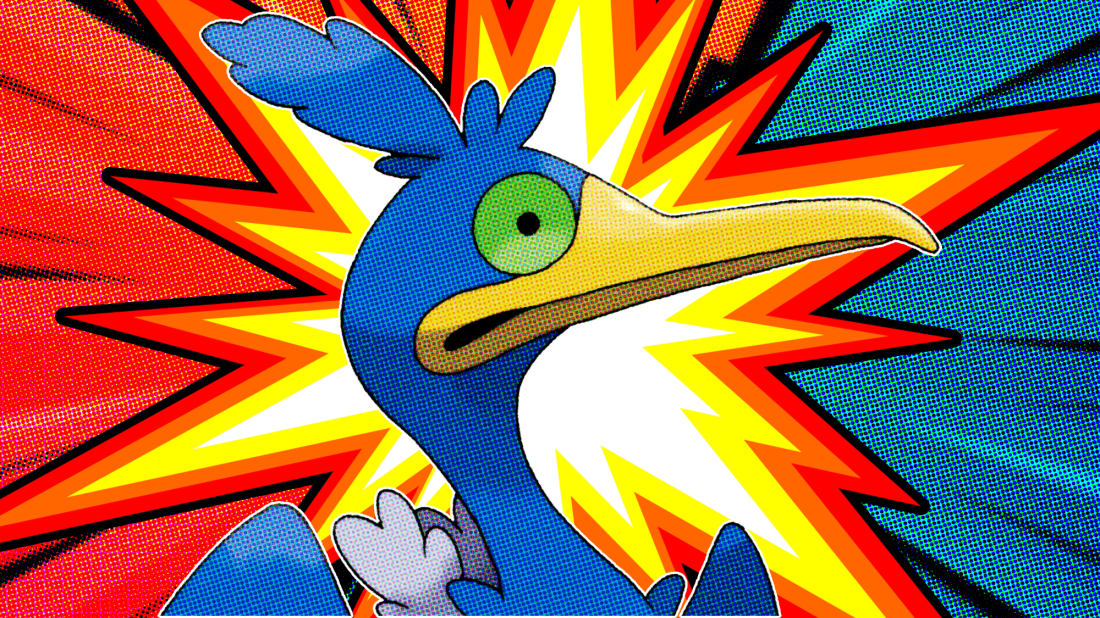


![Devil May Cry 5 - Vergil Mission 6 [Steel Impact Boss Fight] - YouTube](https://i.ytimg.com/vi/QVjpSoBrnQA/maxresdefault.jpg)


![11] Our Enemy - Xenoblade Chronicles Definitive Edition - YouTube](https://i.ytimg.com/vi/mX3Bf9piUp0/maxresdefault.jpg)
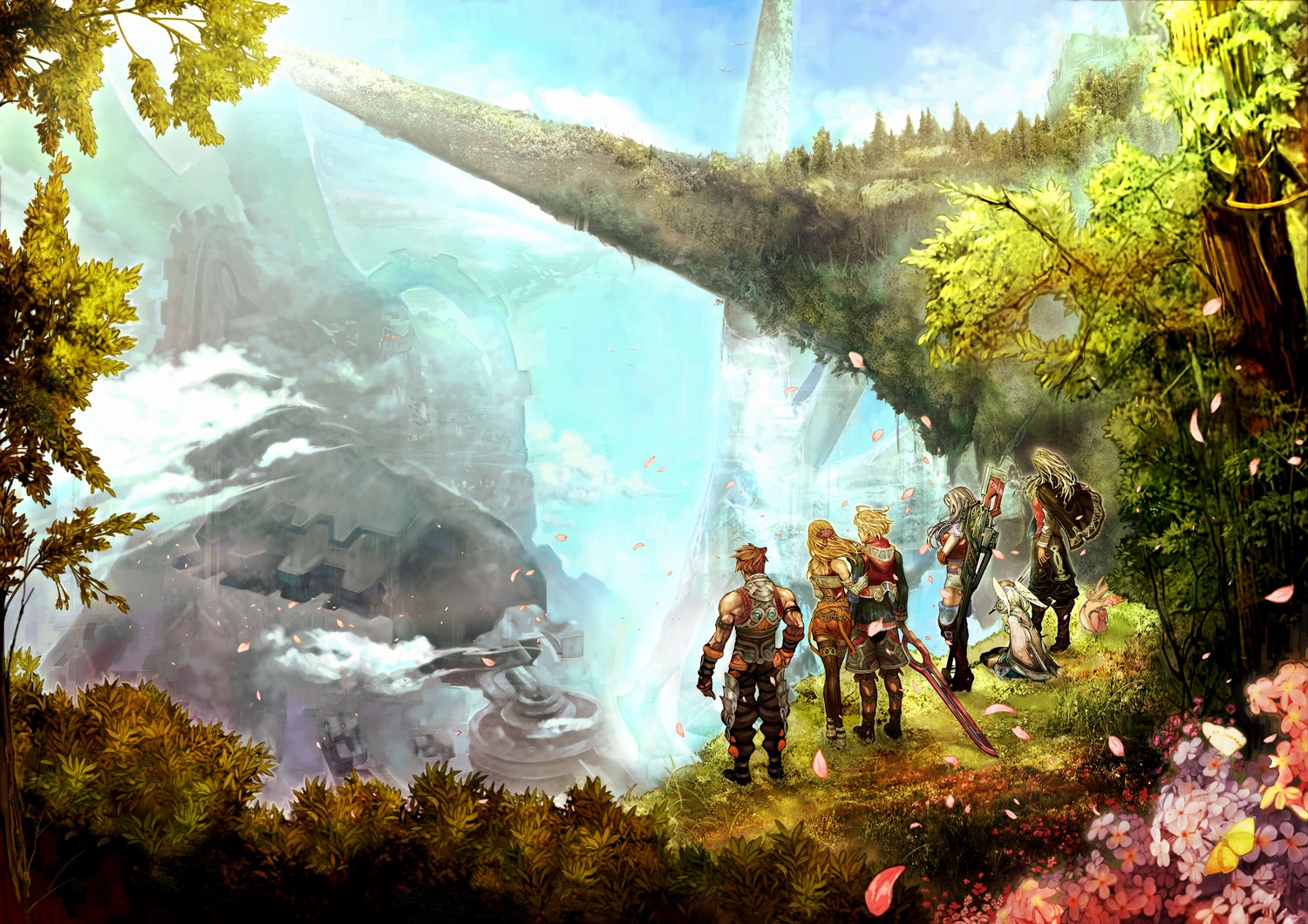
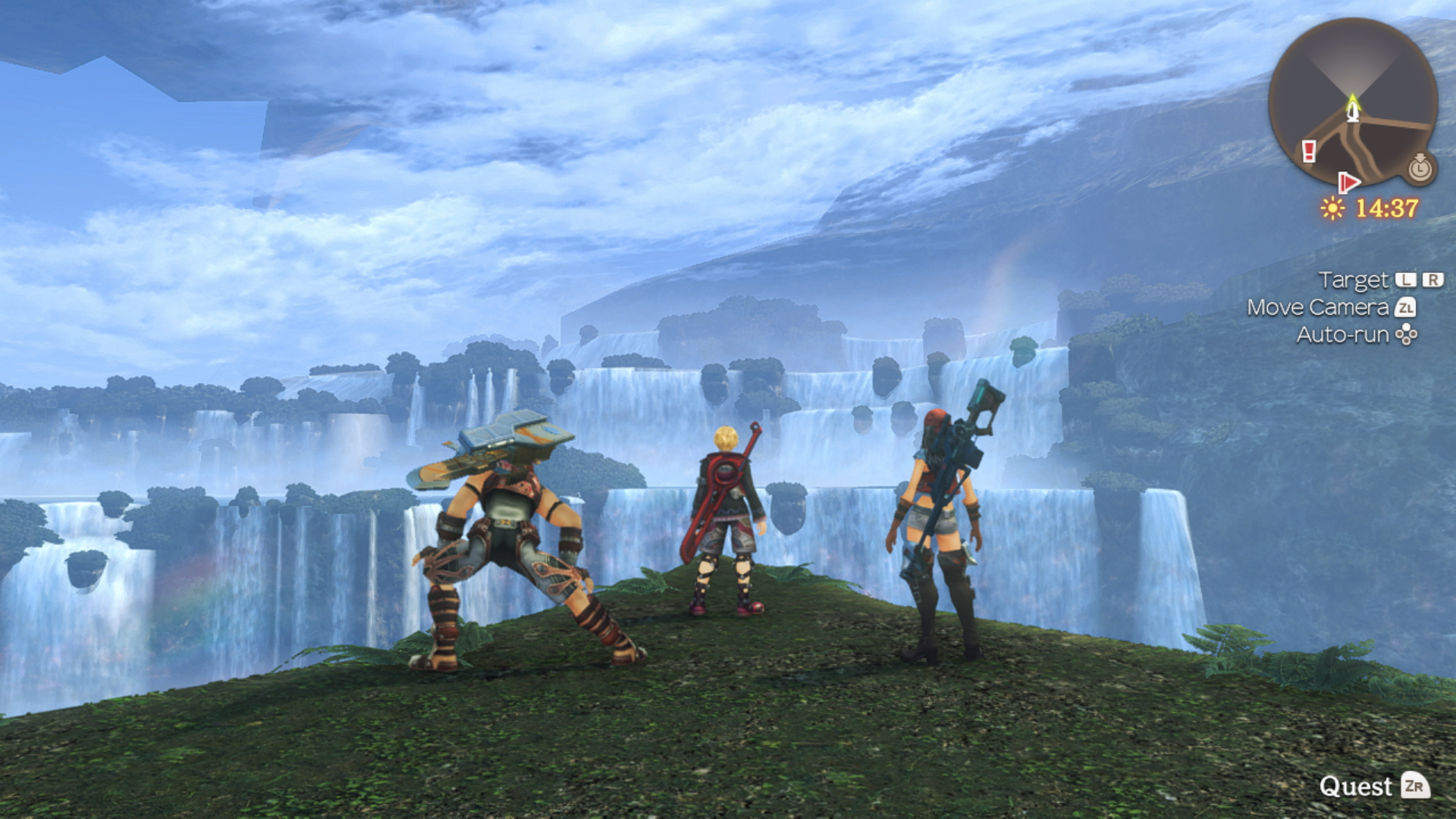
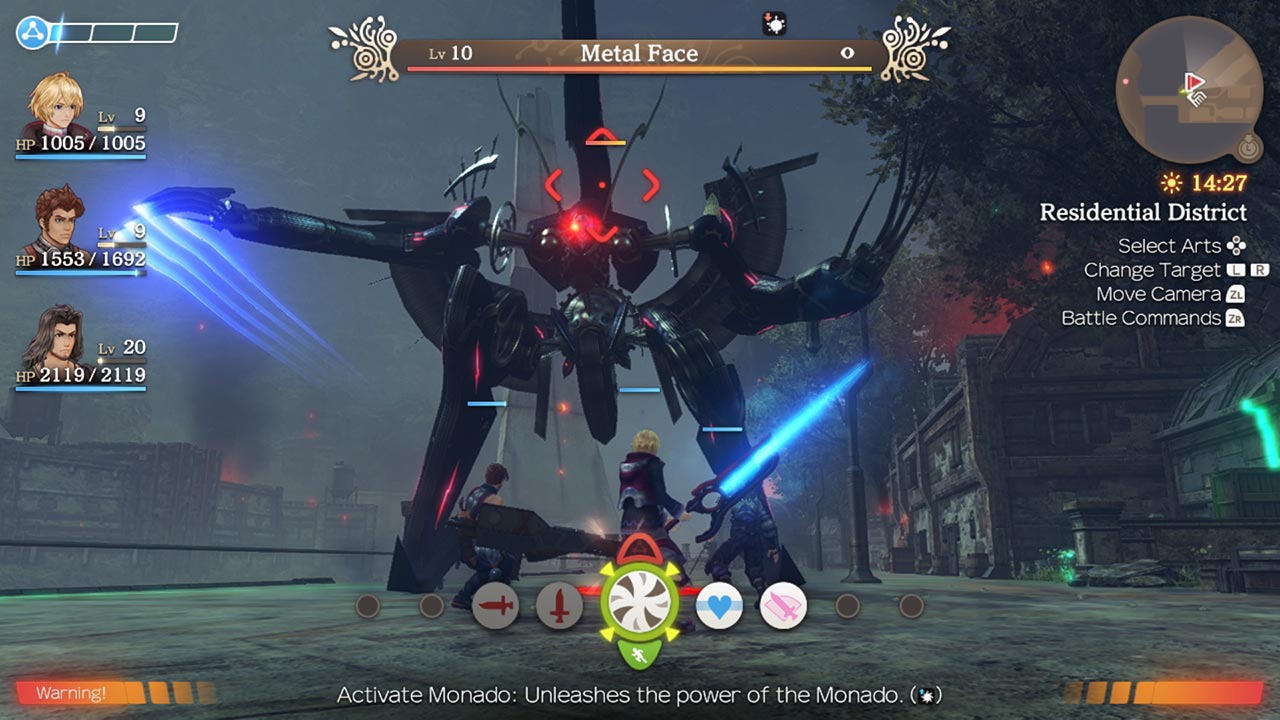




 bootscreen